

How Much Exercise a Golden Retriever Really Needs
Golden Retrievers are known for their friendly nature, intelligence, and boundless energy. If you share your home with one of these beloved dogs, understanding how much exercise golden retrievers need is crucial for their well-being. Regular physical activity not only keeps them fit but also helps prevent behavioral issues and supports their mental health.
Many owners wonder what the right amount of daily activity is for this energetic breed. The answer depends on several factors, including age, health, and lifestyle. In this guide, you’ll learn how to tailor an exercise routine that keeps your Golden Retriever happy and healthy for years to come.
Golden Retrievers are not just active—they’re also highly intelligent. If you’re interested in learning more about their mental abilities, check out how smart are golden retrievers for a detailed look at their intelligence and problem-solving skills.
Understanding the Activity Needs of Golden Retrievers
When considering how much exercise golden retrievers need, it’s important to recognize that this breed was originally developed for retrieving game in the field. Their background as working dogs means they have a natural drive for activity and mental stimulation. Without enough outlets for their energy, Golden Retrievers can become bored, which may lead to destructive behaviors or anxiety.
Generally, adult Golden Retrievers require at least one to two hours of exercise each day. This can be split into several sessions to keep them engaged and prevent overexertion. Puppies and senior dogs have different requirements, which we’ll explore in more detail below.
Exercise Recommendations by Life Stage
Puppies: Building Healthy Habits Early
Young Golden Retrievers are full of energy, but their growing bodies need special care. Over-exercising a puppy can put stress on developing joints and bones. A good rule of thumb is five minutes of exercise per month of age, up to twice a day. For example, a four-month-old puppy should get about 20 minutes of activity per session.
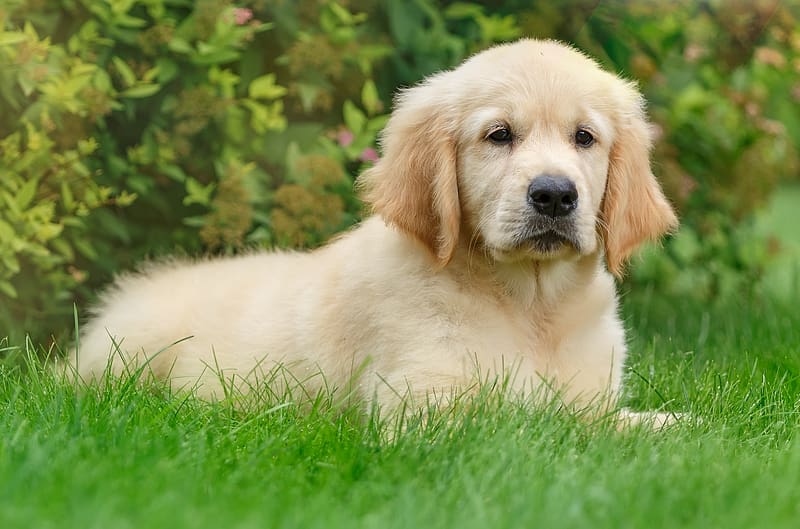
Short walks, gentle play, and basic training sessions are ideal for puppies. Avoid high-impact activities like jumping or long runs until your dog is fully grown, usually around 18 months.
Adults: Meeting the Needs of an Active Breed
Once your Golden Retriever reaches adulthood, they’ll need more structured and vigorous exercise. Most healthy adults thrive with 60 to 120 minutes of activity daily. This can include brisk walks, jogging, swimming, fetch, and agility games. Varying the type of exercise helps keep your dog mentally stimulated and physically fit.
Golden Retrievers often enjoy water activities. If you’re curious about their love for swimming, you might enjoy reading about why golden retrievers love water and how to safely introduce your dog to aquatic fun.
Seniors: Adjusting for Age and Health
As Golden Retrievers age, their exercise needs change. Senior dogs may not have the stamina they once did, but regular movement is still essential for joint health and weight management. Gentle walks, swimming, and interactive games can help keep older dogs active without overexertion. Always monitor your dog for signs of fatigue or discomfort and consult your veterinarian for personalized advice.
Types of Exercise for Golden Retrievers
Providing a mix of physical and mental activities is key to a well-rounded routine. Here are some effective ways to keep your Golden Retriever engaged:
- Daily Walks: Brisk walks are a staple for burning energy and providing mental stimulation.
- Fetch and Retrieval Games: These activities tap into your dog’s natural instincts and are great for both exercise and bonding.
- Swimming: Many Golden Retrievers love water, and swimming is gentle on joints while providing a full-body workout.
- Agility and Obedience Training: Structured training sessions challenge your dog’s mind and body.
- Puzzle Toys: Mental stimulation is just as important as physical activity, especially for this intelligent breed.

Factors That Influence Exercise Requirements
Not every Golden Retriever will need the same amount of activity. Several factors can affect your dog’s individual needs:
- Age: Puppies and seniors have different exercise capacities than adults.
- Health: Dogs with medical conditions may require modified routines.
- Temperament: Some Goldens are naturally more laid-back, while others are highly energetic.
- Lifestyle: Dogs living in apartments may need more structured exercise compared to those with access to large yards.
Always observe your dog’s behavior and energy levels. Signs of too little exercise include restlessness, excessive barking, and destructive chewing. On the other hand, over-exercising can lead to soreness, limping, or reluctance to move.
Grooming and Health Considerations
Regular activity goes hand-in-hand with good grooming and overall health. After outdoor adventures, it’s important to keep your Golden Retriever’s coat clean and free from mats. For tips on maintaining their beautiful fur, see this comprehensive guide to grooming Golden Retrievers from the American Kennel Club.
Exercise also supports a healthy weight, which is vital for preventing joint problems and other health issues common in this breed. Combine daily activity with a balanced diet and regular vet checkups for the best results.
Common Mistakes and How to Avoid Them
While it’s important to provide enough exercise, some owners unintentionally make mistakes that can impact their dog’s health:
- Over-exercising puppies: Too much activity can harm developing joints.
- Ignoring mental stimulation: Golden Retrievers need both physical and mental challenges.
- Not adjusting for age or health: Always tailor routines to your dog’s current needs.
- Skipping rest days: Even active dogs need downtime to recover.
By being mindful of these pitfalls, you’ll help your Golden Retriever stay healthy and content throughout their life.
Frequently Asked Questions
How can I tell if my Golden Retriever is getting enough exercise?
Signs that your dog is getting the right amount of activity include relaxed behavior at home, healthy weight, and good muscle tone. If your Golden seems restless, destructive, or is gaining weight, consider increasing their daily exercise or adding more mental stimulation.
Is it safe to run with my Golden Retriever?
Running can be a great activity for adult Golden Retrievers, but it’s important to wait until their joints are fully developed (usually after 18 months). Start with short distances and gradually build up, always watching for signs of fatigue or discomfort.
What are some indoor exercise options for rainy days?
On days when outdoor activity isn’t possible, try indoor games like hide-and-seek, tug-of-war, or using puzzle toys. Short training sessions and obedience drills also help burn energy and keep your dog’s mind sharp.
Conclusion
Understanding how much exercise golden retrievers need is key to raising a healthy, happy companion. By considering your dog’s age, health, and personality, and by providing a mix of physical and mental activities, you’ll support their well-being at every stage of life. For more insights on Golden Retriever care, you might also be interested in learning about how much golden retrievers shed and tips for managing their beautiful coats.