

Why Golden Retrievers Love Water So Much
Golden Retrievers are well-known for their playful personalities and their unmistakable attraction to water. Many owners quickly discover that their Goldens will leap into ponds, lakes, and even backyard kiddie pools at every opportunity. But what makes this breed so drawn to swimming and splashing? Understanding the reasons behind this behavior can help owners nurture their dog’s natural instincts and provide the best care possible.
Before diving into the details, it’s helpful to know that this breed’s fondness for water is deeply rooted in its history and genetics. For those interested in the background of these friendly dogs, you might enjoy reading about the golden retriever breed origin to see how their past influences their love for aquatic adventures.
The Historical Roots of Water Affinity
To understand why golden retrievers love water, it’s important to look at their origins. Developed in Scotland in the 19th century, these dogs were bred specifically to retrieve waterfowl during hunting expeditions. Their job required them to swim through cold lakes and rivers to collect ducks and other birds for their owners. Over generations, breeders selected dogs that excelled at swimming and enjoyed being in the water, reinforcing these traits in the breed.
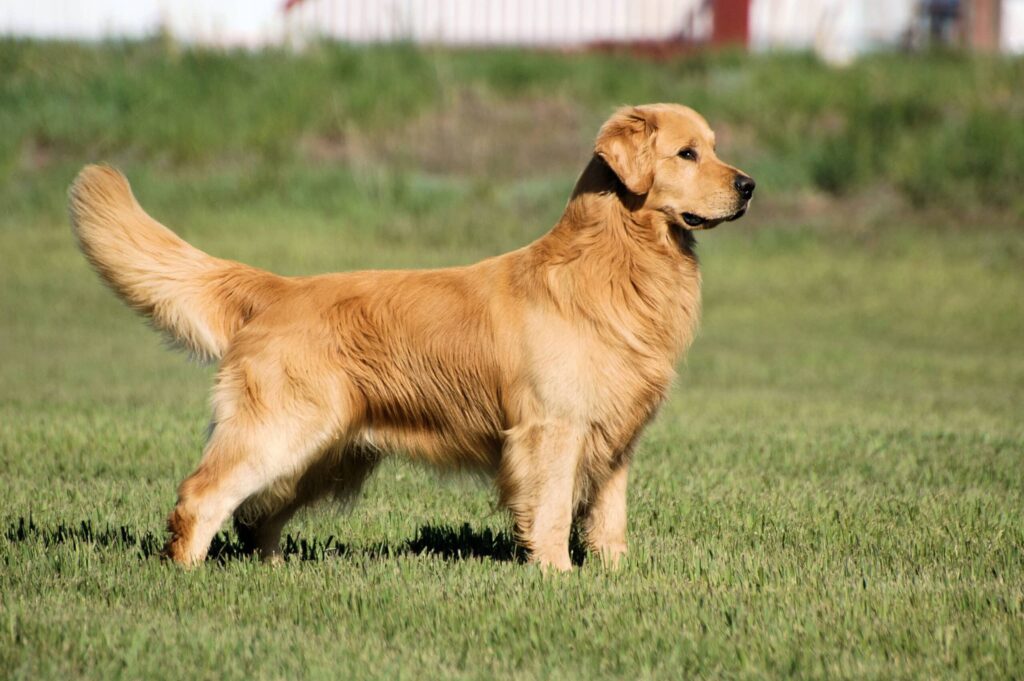
Their double-layered coat, which is water-resistant, and their strong, muscular build are physical adaptations that make swimming both enjoyable and easy for them. This heritage means that even today, Goldens instinctively seek out water and often display a natural talent for swimming.
Physical Traits That Encourage Swimming
Golden Retrievers possess several physical characteristics that make them natural swimmers. Their webbed feet act like paddles, helping them move efficiently through water. The breed’s tail, often referred to as a “rudder,” aids in steering and balance while swimming. Combined with their athletic build and stamina, these features allow Goldens to spend long periods in the water without tiring quickly.
Another key feature is their dense undercoat and oily outer coat, which provide insulation and repel water. This not only keeps them warm in chilly conditions but also prevents their fur from becoming waterlogged. These physical advantages make aquatic activities particularly enjoyable and comfortable for the breed.
Instincts and Behavior: Why Goldens Gravitate Toward Water
Beyond their physical traits, Golden Retrievers have strong instincts that drive their love for water. Their retrieving instinct is deeply ingrained, and water retrieves are especially stimulating for them. Many Goldens will instinctively chase after sticks, balls, or toys thrown into lakes or pools, relishing the opportunity to swim and return the object to their owner.
This behavior is not just about play; it’s also a form of mental and physical exercise that satisfies their need for activity and engagement. Swimming provides a full-body workout, helping to keep Goldens healthy and happy. For owners, encouraging safe water play can be an excellent way to channel their pet’s energy and reinforce positive behaviors.

Benefits of Water Activities for Golden Retrievers
Engaging in water-based activities offers numerous advantages for Golden Retrievers. Swimming is a low-impact exercise that’s easy on their joints, making it suitable for dogs of all ages, including seniors and those with mobility issues. Regular swimming sessions can help maintain a healthy weight, build muscle strength, and improve cardiovascular health.
Water play also provides important mental stimulation. Retrieving games in the water challenge their problem-solving skills and keep their minds sharp. For puppies, early exposure to water can help build confidence and reduce the likelihood of developing fears later in life.
Owners should always supervise their pets during aquatic activities and ensure the environment is safe. Introducing water gradually and using positive reinforcement can help dogs who are new to swimming become comfortable and confident.
Grooming Considerations for Water-Loving Goldens
Frequent swimming can impact a Golden Retriever’s coat and skin. Their thick fur can trap moisture, leading to potential skin issues if not properly cared for. After water play, it’s important to rinse off chlorine, salt, or debris and thoroughly dry their coat to prevent matting and irritation.
Regular grooming is essential for maintaining a healthy coat. Brushing helps remove loose hair and prevents tangles, especially after swimming. For more detailed advice, check out this helpful guide on grooming your Golden Retriever for tips on keeping their fur in top condition.
Encouraging Safe and Enjoyable Water Play
For those who want to nurture their Golden’s love of water, safety should always come first. Choose clean, calm bodies of water free from strong currents, sharp objects, or harmful algae. If using a pool, teach your dog how to enter and exit safely, and never leave them unsupervised.
Some Goldens may take time to warm up to swimming, especially if they weren’t introduced to water as puppies. Use toys, treats, and positive encouragement to build their confidence. Life vests designed for dogs can provide extra safety, particularly for beginners or older pets.
After swimming, always check your dog’s ears for moisture, as Goldens are prone to ear infections. Dry their ears gently and consult your veterinarian if you notice any signs of discomfort or infection.
Other Interesting Aspects of Golden Retriever Behavior
While their passion for water is a defining trait, Goldens are also celebrated for their intelligence and trainability. If you’re curious about their mental abilities, you might enjoy learning about the golden retriever intelligence level or exploring how smart are golden retrievers. Their eagerness to please and quick learning make them excellent companions for a variety of activities, both in and out of the water.
Additionally, Goldens have a reputation for shedding, which can be managed with regular grooming—especially important for dogs that swim often. For more on this topic, see the article on why golden retrievers shed for practical tips.
Frequently Asked Questions
Are all Golden Retrievers natural swimmers?
Most Golden Retrievers have a strong instinct to swim due to their breeding, but individual preferences can vary. Early exposure and positive experiences with water can help encourage swimming, even in dogs that seem hesitant at first.
How can I safely introduce my Golden Retriever to water?
Start with shallow water and use toys or treats to make the experience enjoyable. Always supervise your dog and never force them into the water. Gradually increase the depth as your dog becomes more comfortable and confident.
Does swimming replace daily walks for Golden Retrievers?
Swimming is an excellent form of exercise, but it shouldn’t completely replace regular walks. Both activities offer different benefits—swimming is great for muscle strength and joint health, while walks provide mental stimulation and opportunities for socialization.
How do I care for my Golden Retriever’s coat after swimming?
Rinse your dog’s coat with fresh water to remove chlorine, salt, or debris, and dry thoroughly to prevent skin irritation. Regular brushing helps keep their fur healthy and free of tangles, especially after water activities.
What should I do if my Golden Retriever doesn’t like water?
Some Goldens may be hesitant around water. Take it slow, use positive reinforcement, and never force your dog. If your pet continues to avoid water, respect their preference and find other activities they enjoy.
Understanding the reasons behind your Golden Retriever’s love for water can help you create enriching experiences that support their health and happiness. By embracing their natural instincts and providing safe opportunities for aquatic play, you’ll strengthen your bond and ensure your dog thrives—both in and out of the water.