

Why Golden Retrievers Wag Their Tail: Meaning Explained
Golden Retrievers are famous for their friendly personalities and expressive tails. If you’ve ever spent time with one of these affectionate dogs, you’ve likely noticed how often their tails are in motion. But what does it really mean when a Golden Retriever wags its tail? Understanding the reasons behind this behavior can help you better connect with your pet and respond to their needs.
This guide explores the many meanings behind tail wagging in Golden Retrievers, from emotional signals to communication with humans and other dogs. We’ll also look at how to interpret different types of wags, what they reveal about your dog’s mood, and how this behavior fits into the broader context of canine body language. For more insights into canine communication, you might also find our article on golden retriever body language helpful.
The Emotional Signals Behind Tail Wagging
One of the most common reasons Golden Retrievers wag their tails is to express emotion. Their tails act as a kind of barometer for their feelings, giving you clues about their current mood. Here are some of the most frequent emotions communicated through tail movement:
- Happiness and Excitement: A broad, sweeping wag that moves the whole back end of the dog is a classic sign of joy. You’ll often see this when you come home or during playtime.
- Anticipation: A fast, high wag can indicate that your Golden is eagerly awaiting something, like a treat or a walk.
- Contentment: A gentle, relaxed wag while lying down or being petted shows your dog is comfortable and at ease.
It’s important to remember that not every tail wag means your dog is happy. The position and speed of the wag can reveal a lot more about what they’re feeling.
Communication With Humans and Other Dogs
Tail wagging in Golden Retrievers is not just about expressing emotion—it’s also a key part of how they communicate. Dogs use their tails to send signals to both people and other animals. For example:
- Friendly Greeting: When your Golden approaches with a relaxed, wagging tail, it’s a sign they’re open to interaction.
- Submission or Appeasement: A low, slow wag may indicate your dog is feeling submissive or is trying to calm a tense situation.
- Alertness: A stiff, upright tail with a slight wag can signal that your dog is on alert or assessing a new environment.
Learning to read these signals can help you respond appropriately to your dog’s needs and avoid misunderstandings during social interactions.
Body Language and Context: Interpreting the Wag
To truly understand what your Golden Retriever is communicating, it’s essential to consider the context and the rest of their body language. Tail wagging is just one part of a complex system of signals. For a deeper dive into canine affection, check out our article on how golden retrievers show affection.
Here are some tips for interpreting tail wags in context:
- Loose Body, Wagging Tail: Indicates relaxation and friendliness.
- Stiff Body, Rapid Wag: May signal agitation or overstimulation—proceed with caution.
- Tucked Tail With Wag: Suggests nervousness or uncertainty, especially in new situations.
Always observe your dog’s ears, eyes, and posture along with their tail to get a complete picture of their emotional state.
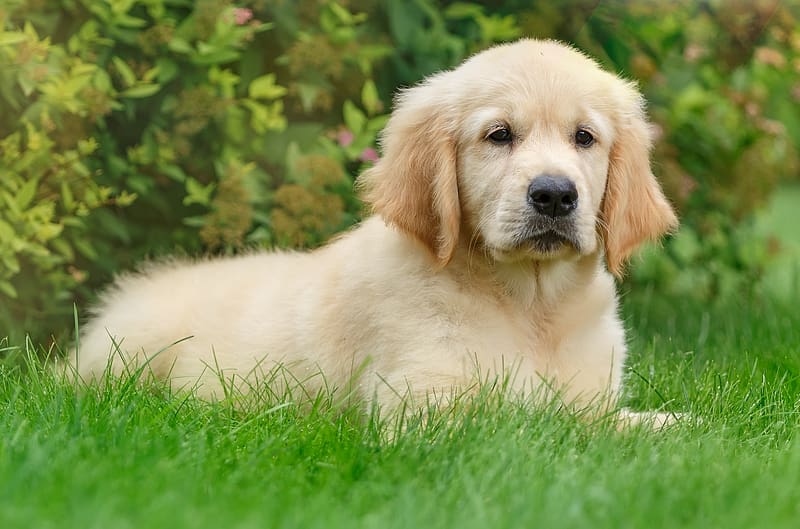
Breed Traits and Tail Wagging in Golden Retrievers
Golden Retrievers are known for their sociable and gentle nature. Their tail wagging tendencies are partly due to their breed characteristics. These dogs are bred to work closely with humans, which has made them especially expressive and eager to communicate.
Compared to some other breeds, Goldens tend to wag their tails more frequently and with greater enthusiasm. This is a reflection of their generally positive outlook and desire to please. Their thick, feathery tails also make their wags more noticeable, adding to their charm.
For those raising puppies, understanding these breed-specific behaviors can help with training and socialization. If you’re curious about what to expect as your Golden grows, our golden retriever puppy behavior guide covers key milestones and habits.

Tail Wagging and Health: When to Be Concerned
While tail wagging is usually a sign of normal communication, there are times when it can indicate a problem. If your Golden Retriever suddenly stops wagging their tail, holds it in an unusual position, or seems to be in pain, it could signal an injury or health issue.
One condition to watch for is “limber tail syndrome,” also known as “swimmer’s tail.” This temporary condition can cause the tail to become limp and painful, often after swimming or vigorous activity. If you notice swelling, reluctance to move the tail, or signs of discomfort, consult your veterinarian.
Regular grooming and observation can help you spot any changes in your dog’s tail health. For tips on keeping your Golden’s coat and tail in top shape, see this comprehensive guide to grooming Golden Retrievers.
Training and Responding to Tail Signals
Understanding your Golden Retriever’s tail language can improve your training and strengthen your bond. Here are some practical tips:
- Reward positive behaviors when your dog approaches with a relaxed, wagging tail.
- If you notice signs of stress or uncertainty, give your dog space and reassurance.
- Use tail wagging as a cue for when your dog is ready to learn or play.
By paying attention to your dog’s tail and overall body language, you’ll be better equipped to meet their emotional and physical needs.
Frequently Asked Questions
Do all tail wags mean a Golden Retriever is happy?
No, not every wag indicates happiness. The speed, position, and context of the wag are important. A high, fast wag usually means excitement, while a low or slow wag can signal submission, uncertainty, or even stress.
How can I tell if my Golden Retriever’s tail wag is friendly?
A friendly wag is typically loose, with the tail moving in wide arcs and the dog’s body relaxed. If the wag is stiff or accompanied by tense body language, your dog may be feeling anxious or alert rather than friendly.
Is it normal for Golden Retrievers to wag their tails so much?
Yes, frequent tail wagging is common in this breed due to their sociable and expressive nature. It’s one of the ways they communicate with people and other animals. However, if the wagging suddenly stops or the tail seems painful, consult your vet.
Can tail wagging help with training?
Absolutely. Recognizing when your dog is relaxed and receptive—often shown by a happy tail wag—can help you choose the best moments for training and positive reinforcement.