

Why Golden Retrievers Change Color Over Time
Golden Retrievers are beloved for their friendly temperament and iconic golden coats. However, many owners notice that their dog’s fur doesn’t always stay the same shade throughout its life. Understanding why golden retrievers change color can help you better care for your pet and set realistic expectations as your puppy matures into adulthood.
From puppyhood to senior years, these dogs often experience subtle or even dramatic changes in their coat color. Factors such as genetics, age, environment, and health all play a role in this transformation. In this article, we’ll break down the main reasons behind these color shifts, what to expect at different life stages, and how to keep your retriever’s coat looking its best.
Coat color isn’t the only trait that evolves as these dogs grow. If you’re curious about other changes, such as how big golden retrievers grow or golden retriever nose color changes, you’ll find more details in those guides.
Understanding Coat Color Development in Golden Retrievers
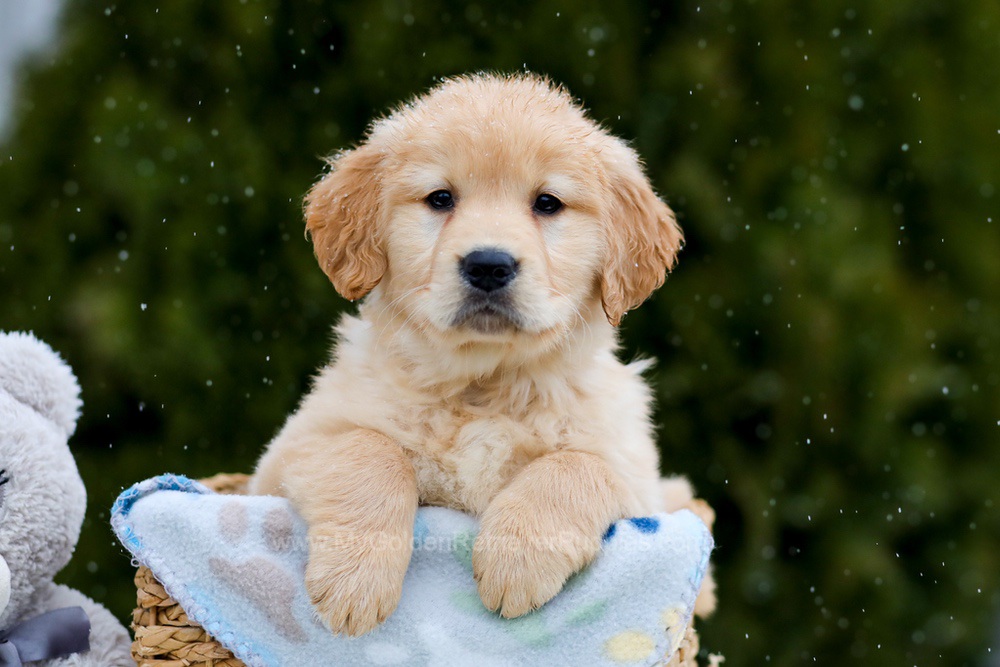
When golden retriever puppies are born, their fur is often much lighter than what it will be as adults. Most puppies start with a pale cream or light gold coat. Over the first few months, you may notice darker “feathering” on their ears, tail, or along their back. This is a normal part of development and a sign that their adult coat is beginning to emerge.
By the time they reach one year of age, most golden retrievers have developed their primary adult color. However, subtle changes can continue for several years. Some dogs darken as they mature, while others may lighten, especially around the face and muzzle.
Genetics and Their Role in Color Changes
The main reason why golden retrievers change color is genetics. The breed standard recognizes a range of shades from light cream to deep golden. The specific genes inherited from a puppy’s parents determine the base color and how it may shift over time.
Some lines are known for producing lighter or darker dogs, and even within the same litter, you may see a variety of shades. If you’re interested in the physical structure that accompanies these color changes, the golden retriever body structure guide offers more insight.
- Feathering: The longer fur on the legs, tail, and chest often darkens before the rest of the coat.
- Genetic modifiers: Certain genes can cause gradual lightening or deepening of color as the dog ages.
- Lineage: English, American, and Canadian golden retrievers may have slightly different color patterns due to breeding preferences.
Age-Related Shifts in Coat Color
As golden retrievers age, their coats can continue to change. Puppies typically go through a “puppy coat” phase, which is soft and fluffy. This is replaced by the adult coat, which is denser and sometimes a different shade. Senior dogs may develop white or gray hairs, especially around the muzzle and eyes, giving them a distinguished look.
Some retrievers experience a gradual lightening of their coat as they get older, while others may see their fur deepen in color. These changes are natural and not usually a cause for concern.
Environmental and Health Factors Affecting Coat Appearance
While genetics and age are the primary reasons for color changes, the environment and health can also influence your dog’s appearance. Sun exposure, for example, can lighten a golden retriever’s fur, especially during the summer months. Dogs that spend a lot of time outdoors may develop “sun-bleached” highlights.
Nutrition and overall health are also important. A poor diet or underlying health issues can lead to a dull or patchy coat. Regular grooming and proper care help maintain the natural shine and vibrancy of your dog’s fur. For tips on grooming, the American Kennel Club’s guide to grooming golden retrievers is a helpful resource.
Recognizing Normal Versus Concerning Color Changes
Most changes in a golden retriever’s coat are harmless and part of the normal aging process. However, sudden or dramatic shifts in color, especially if accompanied by hair loss or skin irritation, could signal a health problem. Conditions such as hypothyroidism, allergies, or skin infections may cause changes in fur color or texture.
If you notice unusual patterns, consult your veterinarian to rule out any underlying issues. Early intervention can help address health problems before they affect your dog’s quality of life.
:upscale()/2020/01/27/111/n/44701584/490b345603f7cfd8_GettyImages-173268771.jpg)
Tips for Maintaining a Healthy Golden Retriever Coat
Keeping your golden retriever’s coat healthy can help it look its best, regardless of color changes. Here are a few practical tips:
- Regular grooming: Brush your dog several times a week to remove loose fur and prevent matting. This also distributes natural oils for a shinier coat.
- Balanced diet: Feed a high-quality dog food rich in omega-3 and omega-6 fatty acids, which support skin and coat health.
- Routine checkups: Visit your veterinarian for regular health screenings to catch any issues early.
- Sun protection: Limit excessive sun exposure if you want to prevent lightening, but remember that some color change is inevitable.
For more details on breed-specific traits, you might also enjoy reading about golden retriever tail characteristics and golden retriever ear shape information.
Frequently Asked Questions
At What Age Do Golden Retrievers Reach Their Final Coat Color?
Most golden retrievers develop their adult coat color between 12 and 18 months of age. However, subtle changes can continue for several years, especially as the dog matures into adulthood and senior years.
Can Diet or Supplements Prevent Color Changes in My Dog’s Coat?
While a balanced diet supports overall coat health and shine, it cannot prevent natural color changes caused by genetics or aging. Supplements may help with coat quality, but they won’t alter the underlying color determined by your dog’s genes.
Is It Normal for a Golden Retriever’s Nose or Skin to Change Color Too?
Yes, it’s common for golden retrievers to experience changes in nose color, especially in winter (known as “snow nose”). If you want to learn more, see the article on golden retriever nose color changes for a detailed explanation.
Should I Be Concerned If My Dog’s Coat Changes Suddenly?
Gradual changes are normal, but sudden or patchy color shifts, especially with hair loss or skin problems, should be checked by a veterinarian to rule out health concerns.
In summary, golden retrievers are known for their beautiful coats, but it’s natural for their color to evolve over time. Genetics, age, environment, and health all play a part in these changes. By understanding what’s normal and how to care for your dog’s fur, you can ensure your companion stays healthy and looks great at every stage of life.