

How to Help a Rescue Dog Adjust: A Guide for Pet Owners
Adopting a rescue dog is a noble and rewarding endeavor. Yet, the journey to help a rescue dog adjust to a new environment can be challenging. As health-conscious pet owners, it's crucial to approach this transition with patience and understanding.
Welcoming a rescue dog into your home is not just about providing food and shelter. It's about offering love, security, and a nurturing environment where the pet can thrive, both mentally and physically. In this article, we explore effective strategies to help a rescue dog acclimate to its new surroundings.

Understanding the Rescue Dog's Background
Every rescue dog has a unique history that shapes its behavior and needs. Some may have been abandoned or mistreated, while others might have been surrendered due to unforeseen circumstances. Understanding your dog's past can be an essential step in helping them adjust.
Observing their behavior can provide insights into their past experiences. A dog that cowers or barks excessively might have faced trauma, while a dog that is overly friendly might have been well-socialized but displaced. This understanding will guide you in tailoring your approach to meet their specific needs.
Creating a Safe and Comfortable Environment
Ensuring your home is a safe haven for your new pet is a priority. Start by designating a quiet space where your dog can retreat and feel secure. This area should include a comfortable bed, toys, and access to water.
Consider using calming aids like pheromone diffusers or calming music to ease the transition. These tools can reduce anxiety and promote a sense of calmness, especially during the initial days.
Establishing a Routine
Dogs thrive on routine and predictability. Establishing a consistent daily schedule for feeding, walks, and playtime helps your rescue dog understand what to expect each day. This consistency builds trust and creates a sense of stability.
Feeding your adopted dog at the same times each day can also aid in establishing a healthy digestive rhythm. For more on feeding tips, check out our article on feeding your adopted dog.
Building Trust Through Positive Reinforcement
Positive reinforcement is a powerful tool in building trust with your rescue dog. Rewarding good behavior with treats, praise, or a favorite activity reinforces the idea that they are safe and loved.
Consider enrolling in a training class that focuses on positive reinforcement techniques. This not only helps with obedience but also strengthens the bond between you and your pet. For more insights on bonding, visit our post on bonding with a new dog.
Gradual Socialization
Socialization is crucial for a well-adjusted dog. However, it's important to introduce new experiences gradually. Start with short walks in quiet areas and slowly progress to busier environments as your dog becomes more comfortable.
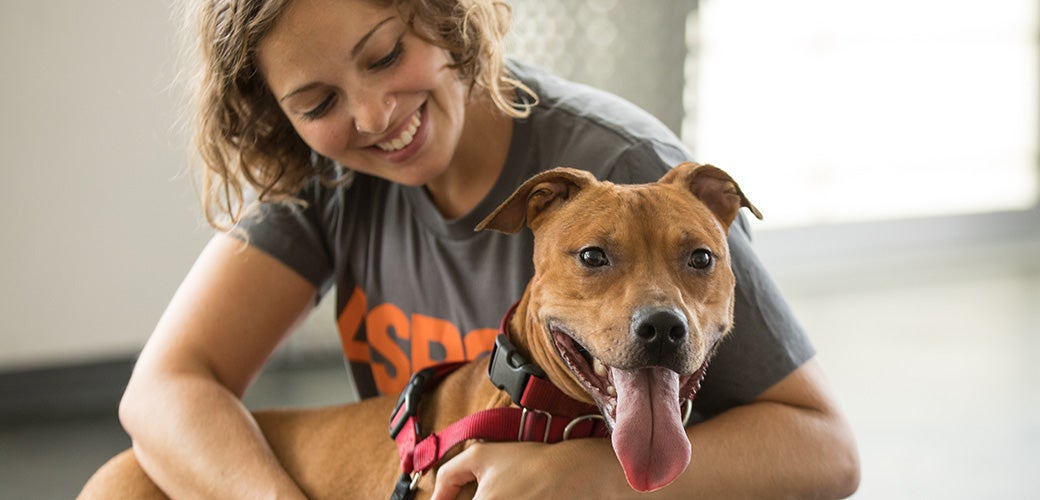
Invite friends and family over in small groups to get your dog used to new people. Always ensure these interactions are positive and stress-free. For additional tips on socializing your dog, you can read about adoption tips from the ASPCA.
Monitoring Health and Well-being
As a health-conscious pet owner, monitoring your dog's health is vital. Schedule a vet check-up soon after adoption to ensure your dog is healthy and up-to-date on vaccinations. Discuss any concerns you have about their behavior or health.
Pay attention to your dog's diet and exercise needs. A balanced diet and regular physical activity are essential for maintaining your dog's physical and mental health.
Common Challenges and How to Overcome Them
Adjusting to a new home can present challenges. Some common issues include separation anxiety, fear of strangers, and house training struggles. Each challenge requires patience and consistency.
For example, if house training is a concern, set up a routine that includes frequent potty breaks and rewards for elimination in the right spot. Our guide on house training adopted dogs offers more detailed strategies.
Seeking Professional Help
If you're struggling to help your rescue dog adjust, don't hesitate to seek professional help. A dog behaviorist or trainer can provide guidance and support tailored to your dog's specific needs.
Remember, the process of helping a rescue dog adjust takes time. Each small step forward is a victory worth celebrating.
FAQs
- How long does it take for a rescue dog to adjust? It varies from dog to dog. Some might adjust within weeks, while others may take several months.
- What should I do if my rescue dog is scared of everything? Patience and gradual exposure to new experiences can help. Consult a professional if needed.
- Is it normal for a rescue dog to have accidents in the house? Yes, especially during the initial adjustment period. Consistent training and patience are key.
By understanding your rescue dog's needs and providing a supportive environment, you can help them adjust and thrive in their new home. For more information on the adoption process, visit the Animal Humane Society.
This article contains affiliate links. We may earn a commission at no extra cost to you.