

How to Care for a German Shepherd Puppy: Health Tips
Bringing a German Shepherd puppy into your home is an exciting and rewarding experience. These intelligent and loyal dogs are known for their protective nature and strong bond with their owners. However, caring for a German Shepherd puppy requires dedication and knowledge, especially when it comes to their health and well-being. In this guide, we'll explore essential tips on how to care for a German Shepherd puppy, ensuring they grow into healthy and happy adult dogs.
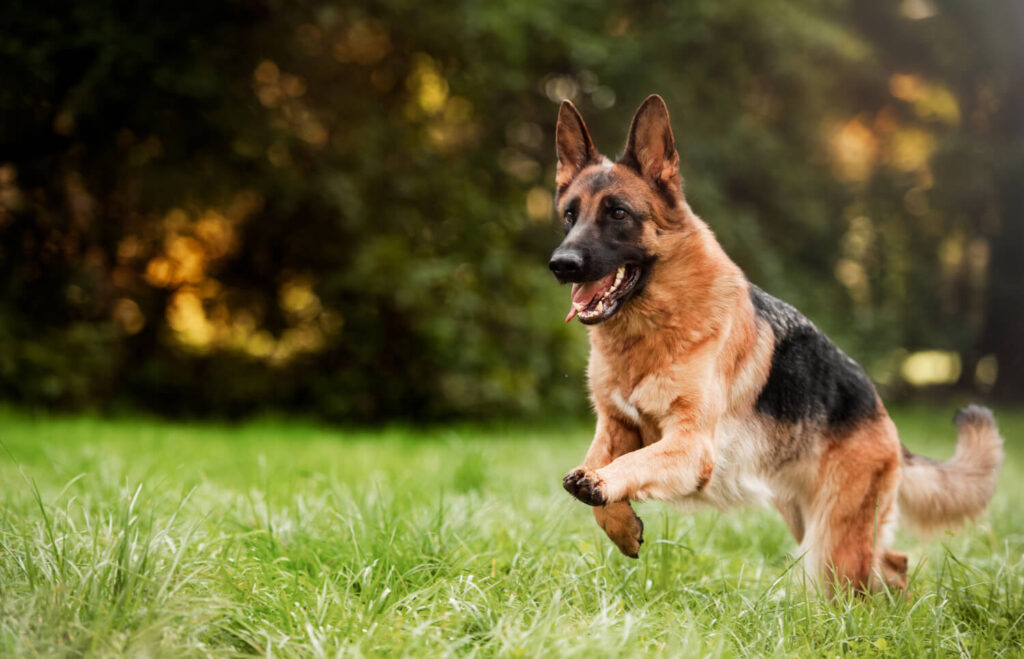
Understanding Your German Shepherd's Needs
Before you can effectively care for your new furry friend, it's important to understand the basic needs and characteristics of German Shepherds. Known for their versatility and intelligence, these dogs thrive in environments where they can stay active and mentally stimulated. German Shepherds require regular exercise and mental challenges to prevent boredom and destructive behavior.
It's crucial to provide a balanced diet that meets their nutritional requirements. German Shepherds are prone to certain health issues such as hip dysplasia and digestive problems, so choosing the right food is essential. Consult your veterinarian to determine the best diet plan for your puppy's age, size, and activity level. You can find more information on German Shepherd health tips.
Creating a Safe and Stimulating Environment
Your home should be a safe haven for your German Shepherd puppy. Puppy-proof your living space by removing potentially harmful items and securing loose wires. Provide a comfortable bed in a quiet area where your puppy can relax and sleep undisturbed.
Interactive toys and puzzles are excellent for keeping your puppy mentally engaged. These toys not only provide entertainment but also help prevent behavioral issues. You might also consider incorporating agility training into their routine to further stimulate their minds and bodies. For more tips, check out our article on creating an adoption-friendly home.
Establishing a Routine
German Shepherds thrive on routine and consistency. Establishing a daily routine that includes regular feeding times, exercise, training, and playtime will help your puppy feel secure and well-adjusted. Consistency also aids in housebreaking and reinforces good behavior.
Exercise is vital for a German Shepherd's physical and mental health. Aim for at least one hour of vigorous activity each day, which can include walks, runs, and play sessions. Learn more about German Shepherd exercise needs to ensure your puppy stays fit and healthy.
Training and Socialization
Training should begin as soon as you bring your German Shepherd puppy home. These dogs are highly trainable and eager to please, making them responsive to positive reinforcement techniques. Focus on basic commands such as sit, stay, and come, and gradually introduce more advanced training as your puppy grows.
Socialization is equally important, as it helps your puppy become well-adjusted and confident in different environments. Expose your puppy to various people, animals, and experiences to build their social skills. This will reduce the likelihood of fear-based behaviors and increase their overall adaptability.
Health and Veterinary Care
Regular veterinary check-ups are essential for maintaining your German Shepherd's health. Schedule vaccinations, deworming, and flea and tick prevention as recommended by your vet. Spaying or neutering is also an important consideration for your puppy's long-term health.
Monitor your puppy for any signs of illness, such as changes in appetite, behavior, or energy levels. Early detection of health issues can prevent complications and ensure timely treatment.

FAQ Section
How often should I feed my German Shepherd puppy?
It's recommended to feed your German Shepherd puppy three to four times a day until they are about six months old. Afterward, you can transition to two meals a day.
What type of exercise is best for a German Shepherd puppy?
Activities like walking, running, playing fetch, and agility training are excellent for German Shepherd puppies. These exercises help keep them physically and mentally stimulated.
When should I start training my German Shepherd puppy?
It's never too early to start training your German Shepherd puppy. Begin with basic commands and gradually introduce more advanced training as they mature.
For more insights on raising a German Shepherd, consider reading our article on the pros and cons of owning a German Shepherd. Remember, patience and consistency are key to fostering a loving and healthy relationship with your puppy.
This article contains affiliate links. We may earn a commission at no extra cost to you.