

Golden Retriever Working Abilities Overview
Golden Retrievers are renowned for their intelligence, versatility, and eagerness to please, making them one of the most capable working breeds in the canine world. Originally bred in Scotland for retrieving game during hunts, their natural athleticism and keen sense of smell have allowed them to excel in a wide range of roles far beyond their origins. From fieldwork and search-and-rescue to therapy and assistance, these dogs consistently demonstrate remarkable adaptability and drive.
Understanding the golden retriever working abilities is essential for anyone considering this breed for active companionship, service work, or sporting pursuits. Their combination of energy, trainability, and gentle temperament makes them suitable for families, professionals, and handlers alike. For those interested in how their activity levels compare to other breeds, you can learn more about the golden retriever energy level and how it influences their suitability for various tasks.
Origins and Development of Golden Retriever Skills
The working instincts of Golden Retrievers can be traced back to the mid-19th century, when they were selectively bred for their ability to retrieve waterfowl and upland game. Their soft mouths, strong swimming ability, and keen noses were highly valued by hunters. Over generations, breeders emphasized not only physical traits but also intelligence and a cooperative nature, resulting in a dog that thrives on both mental and physical challenges.
These foundational traits remain evident today. Whether in the field or at home, Goldens display a natural inclination to carry objects, follow scent trails, and respond to commands. Their adaptability has allowed them to transition seamlessly into modern working roles, where their original skills are still highly prized.
Key Strengths in Field and Sporting Roles
One of the most celebrated aspects of golden retriever working abilities is their performance in fieldwork and sporting events. These dogs are frequently seen in:
- Retrieving: Their namesake skill, Goldens excel at retrieving birds and objects both on land and in water. Their gentle mouths ensure delicate handling of game.
- Obedience Trials: Their intelligence and eagerness to learn make them top contenders in obedience competitions.
- Agility: With their athletic build and enthusiasm, Goldens often participate in agility courses, showcasing speed and coordination.
- Tracking: Their acute sense of smell allows them to follow scent trails, a skill used in both hunting and search-and-rescue operations.
These strengths are underpinned by their high energy and stamina. Owners should be prepared to provide ample exercise and mental stimulation, as these dogs thrive when given a job to do. For those considering whether a Golden is suited for indoor or outdoor lifestyles, the article on golden retriever indoor vs outdoor living provides helpful insights.
Service, Therapy, and Assistance Roles
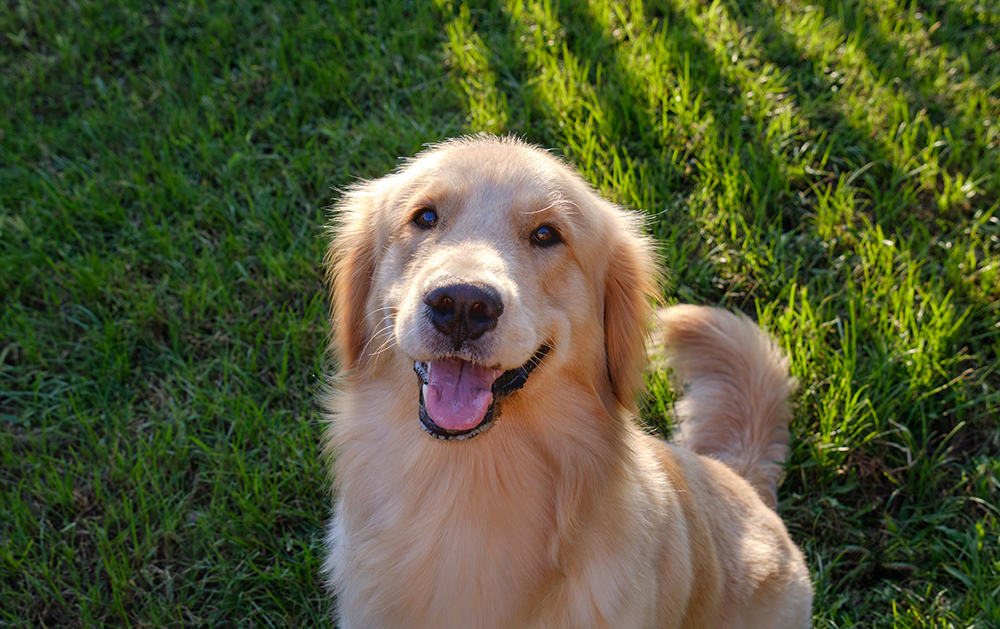
Beyond sporting and fieldwork, Golden Retrievers are highly valued in service and therapy roles. Their calm demeanor, patience, and sensitivity to human emotions make them ideal candidates for:
- Guide Dogs: Many visually impaired individuals rely on Goldens for safe navigation and companionship.
- Assistance Dogs: They are trained to help people with mobility challenges, retrieving items, opening doors, and providing physical support.
- Therapy Dogs: Their gentle nature brings comfort to patients in hospitals, nursing homes, and schools.
- Search-and-Rescue: Their tracking skills and determination are invaluable in locating missing persons in disaster zones or wilderness areas.
These roles require not only intelligence but also a stable temperament and strong bond with their handler. Goldens are known for their loyalty and desire to work closely with people, making them a top choice for these demanding jobs.
Training and Maintaining Working Skills
To fully realize the potential of a Golden Retriever’s working abilities, consistent training and socialization are crucial. Positive reinforcement methods yield the best results, as these dogs respond well to praise and rewards. Early exposure to different environments, people, and animals helps them develop confidence and adaptability.
Regular grooming is also important for working Goldens, as their thick coats can collect debris during outdoor activities. For tips on keeping their coats in top condition, refer to this comprehensive guide to grooming Golden Retrievers.
Family Life and Social Adaptability
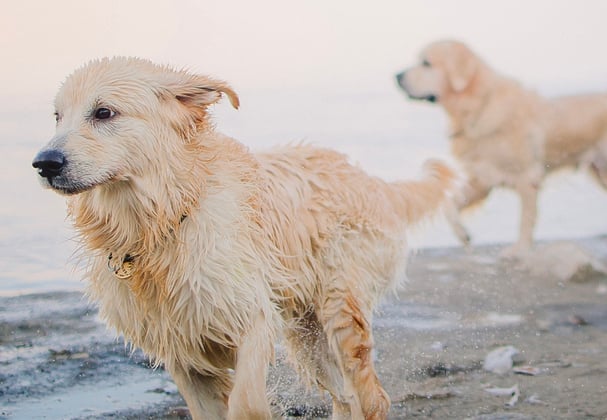
While their working instincts are strong, Golden Retrievers are also cherished family companions. Their friendly disposition, patience with children, and ability to adapt to various home environments make them a popular choice for households. For families with young children, reviewing the golden retriever with kids safety guide can help ensure positive interactions and safe play.
It’s important to remember that a Golden’s need for activity and purpose remains, even in a family setting. Regular walks, play sessions, and training exercises help channel their energy productively and prevent boredom-related behaviors.
Longevity and Lifelong Working Potential
Golden Retrievers are known for their relatively long lifespans among large breeds, often remaining active and eager to work well into their senior years. Their longevity is influenced by genetics, diet, exercise, and preventive healthcare. For a deeper look at how their lifespan compares to other breeds and what factors contribute to their health, see the article on golden retriever lifespan comparisons.
Maintaining their working abilities throughout life requires ongoing engagement, regular veterinary care, and adapting activities as they age. Many older Goldens continue to participate in therapy work or enjoy less strenuous forms of exercise, demonstrating their enduring spirit and devotion.
Frequently Asked Questions
What makes Golden Retrievers excel in working roles?
Their combination of intelligence, trainability, and a strong desire to please makes Goldens outstanding in a variety of jobs. Their ability to learn quickly and adapt to new tasks is supported by their natural athleticism and keen senses.
How much exercise does a working Golden Retriever need?
Active Goldens typically require at least one to two hours of physical activity daily, along with mental stimulation through training or interactive play. This helps maintain their health and prevents behavioral issues.
Can Golden Retrievers be both family pets and working dogs?
Yes, many Goldens successfully balance family life with working roles. With proper training and regular activity, they can thrive as both loving companions and capable workers.
Are Golden Retrievers suitable for first-time dog owners?
Thanks to their friendly nature and willingness to learn, Goldens are often recommended for new owners. For helpful advice, check out these golden retriever first-time owner tips.
In summary, the remarkable working abilities of Golden Retrievers continue to set them apart as one of the most versatile and beloved breeds. Whether in the field, at home, or serving the community, their dedication and adaptability ensure they remain a top choice for a wide range of roles.