

Golden Retriever Seasonal Behavior Changes
Golden retrievers are well known for their friendly temperament and adaptability, but many owners notice that their dogs’ habits and moods shift throughout the year. Understanding golden retriever seasonal behavior is important for providing the right care and anticipating your pet’s needs as the environment changes. These variations can affect everything from energy levels to grooming routines, and being aware of them helps you keep your golden healthy and happy all year long.
In this article, we’ll explore how the seasons influence golden retrievers’ activity, coat, mood, and daily routines. We’ll also offer practical tips for managing these changes, and point you to helpful resources like the golden retriever noise sensitivity guide for more in-depth behavioral insights.
How Seasons Affect Golden Retriever Activity Levels
One of the most noticeable aspects of golden retriever seasonal behavior is the change in activity and playfulness as the weather shifts. During cooler months, many goldens become more energetic and eager for outdoor adventures. The crisp air and lower temperatures are ideal for long walks, hikes, and play sessions. In contrast, the heat and humidity of summer can lead to decreased activity, as dogs instinctively avoid overheating.
Owners should adjust exercise routines accordingly. In winter, take advantage of your golden’s enthusiasm by engaging in more vigorous play. In summer, schedule walks during early morning or late evening when it’s cooler, and always provide plenty of water and shade.
Coat Changes and Grooming Throughout the Year
Golden retrievers are famous for their luxurious double coats, which respond to seasonal changes. Twice a year—typically in spring and fall—these dogs experience heavy shedding as they transition between winter and summer coats. This is a normal part of golden retriever seasonal behavior, but it can be a challenge for owners who aren’t prepared.
Regular brushing is essential during shedding seasons to remove loose fur and prevent matting. Using the right grooming tools can make a big difference. For detailed advice on coat care, the Golden Retriever Club of America’s grooming guide provides expert tips on keeping your dog’s coat healthy year-round.
Seasonal Mood and Behavioral Shifts
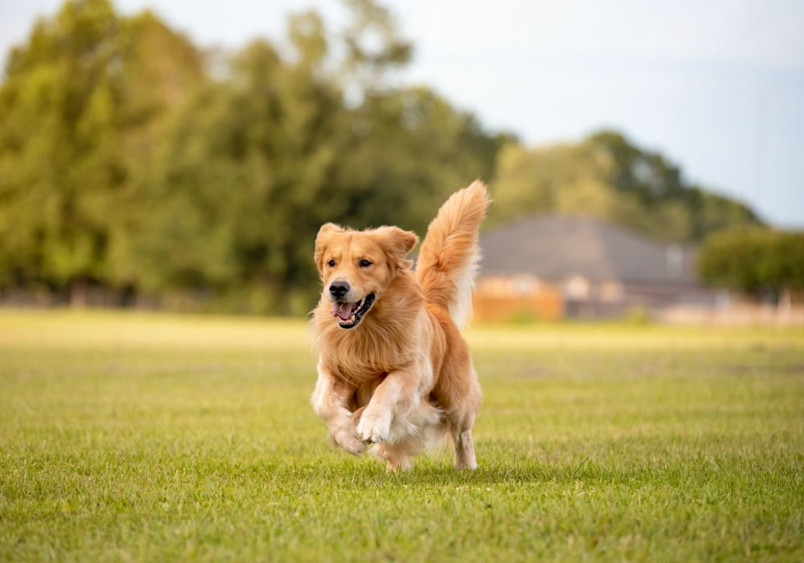
Just like humans, golden retrievers can experience mood changes as the seasons shift. Some dogs may seem more playful and social in the spring and fall, while others might become quieter or even anxious during periods of extreme weather. For example, thunderstorms and fireworks in summer can trigger stress or golden retriever noise sensitivity, leading to hiding or restlessness.
Winter’s shorter days and reduced sunlight can also impact behavior. Some goldens may sleep more or seem less interested in play. Providing a consistent routine, mental stimulation, and plenty of affection can help your dog adjust to these changes.
Feeding and Hydration Adjustments by Season
Seasonal changes can influence your golden retriever’s appetite and hydration needs. In colder months, dogs may require slightly more calories to maintain body heat, especially if they’re more active outdoors. In the summer, appetite might decrease, but water needs increase due to the risk of dehydration.
Monitor your dog’s weight and adjust food portions as needed. Always ensure fresh water is available, and consider adding wet food or ice cubes to meals during hot weather to encourage hydration.

Training and Socialization in Different Seasons
Seasonal shifts can impact your golden retriever’s responsiveness to training and social experiences. Spring and fall, with their mild weather, are ideal for outdoor training sessions and socialization with other dogs. Summer heat or winter cold may limit time outside, so consider indoor training games or short, focused sessions during comfortable parts of the day.
For owners working on leash manners, resources like the golden retriever leash training advice can be especially helpful when seasonal distractions or weather conditions make walks more challenging.
Common Health Concerns Linked to the Seasons
Certain health issues are more likely to arise during specific times of the year. In spring and summer, ticks, fleas, and other parasites are more prevalent, so regular checks and preventive treatments are crucial. Hot weather also increases the risk of heatstroke, especially for active or older dogs.
During winter, icy sidewalks and salted roads can irritate your golden’s paws. Wipe their feet after walks and consider using dog-safe balms. Seasonal allergies may also cause itching or ear infections, so keep an eye out for excessive scratching or head shaking.
Tips for Managing Golden Retriever Behavior Year-Round
- Adjust exercise routines to match your dog’s energy and the weather.
- Brush regularly during shedding seasons to manage coat changes.
- Monitor mood and provide extra comfort during stressful events like storms or fireworks.
- Keep your dog hydrated, especially in hot weather.
- Stay consistent with training, but adapt sessions to suit seasonal conditions.
- Watch for health issues that are more common in certain seasons, such as allergies or heat-related problems.
For more on related behaviors, you might find the golden retriever territorial behavior article useful as well.
Frequently Asked Questions
Do golden retrievers shed more during certain seasons?
Yes, golden retrievers typically shed heavily in spring and fall as they transition between their winter and summer coats. Regular grooming during these periods helps manage the extra fur and keeps your dog comfortable.
How can I help my golden retriever stay cool in summer?
Provide access to shade and fresh water at all times. Walk your dog during cooler parts of the day, avoid hot pavement, and consider using cooling mats or vests. Never leave your golden retriever in a parked car, even for a short time.
Why does my golden retriever seem less active in winter?
Colder temperatures and shorter days can lead to reduced activity and more sleep. Some dogs also experience mild mood changes during winter. Encourage gentle indoor play and maintain a consistent routine to keep your golden engaged.
Conclusion
Recognizing and adapting to golden retriever seasonal behavior helps you provide the best care for your companion throughout the year. By staying attentive to changes in activity, coat, mood, and health, you can ensure your golden retriever remains happy and healthy, no matter the season. For more tips on training and behavior, explore guides like the golden retriever potty training guide to support your dog’s well-being year-round.