

Golden Retriever Hunting Background Explained
The golden retriever hunting background is a fascinating story of selective breeding, intelligence, and adaptability. Known today for their friendly personalities and family-friendly nature, golden retrievers were originally developed as skilled hunting companions. Their roots in fieldwork have shaped not only their physical traits but also their temperament and energy levels. Understanding this heritage helps explain many of the breed’s distinctive qualities, from their eagerness to please to their high activity needs.
For those considering a golden retriever as a pet or working dog, it’s helpful to explore how their origins influence their behavior and care requirements. If you’re interested in learning about how their activity levels compare to other breeds, check out this detailed guide on golden retriever energy level for further insights.
Origins of the Golden Retriever as a Hunting Dog
The story of the golden retriever begins in 19th-century Scotland. During this period, hunting waterfowl was a popular pastime among the Scottish elite. Hunters needed a dog that could retrieve game from both land and water, often in challenging terrain. The solution came from Lord Tweedmouth, who set out to create a breed with a gentle mouth, keen nose, and a love for water.
Through careful crossbreeding of the now-extinct yellow retriever, Tweed Water Spaniel, Bloodhound, and Irish Setter, Lord Tweedmouth developed a dog that excelled at retrieving shot birds. These early retrievers were prized for their intelligence, trainability, and strong work ethic. Over time, these qualities became hallmarks of the breed, making them highly sought after for hunting and field trials.
Traits That Made Golden Retrievers Exceptional Hunters
The breed’s hunting heritage is evident in several key traits. Golden retrievers have a dense, water-resistant double coat that protects them in cold and wet conditions. Their webbed feet and strong, muscular build allow them to swim efficiently, making them ideal for retrieving waterfowl. Perhaps most importantly, their gentle mouth enables them to carry game without causing damage.
Other notable qualities include:
- High intelligence and eagerness to learn new commands
- Exceptional sense of smell for tracking and locating game
- Strong bond with handlers, making them easy to train and eager to please
- Stamina and endurance for long days in the field

How Fieldwork Shaped Modern Golden Retrievers
While many golden retrievers today are beloved family pets, their hunting background continues to influence their daily lives. The breed’s high energy and need for mental stimulation stem from generations of working in the field. Without adequate exercise and enrichment, these dogs can become bored or develop behavioral issues.
Golden retrievers thrive when given tasks or jobs, whether it’s retrieving a ball, participating in agility, or learning new tricks. Their adaptability also makes them excellent candidates for service work, therapy, and search and rescue roles. For owners, understanding this working heritage is key to providing a fulfilling environment for their dog.
For more on how these dogs adjust to different living situations, you can read about golden retriever indoor vs outdoor living and what to expect in various home environments.
Training and Socialization: Lessons from Their Past
The breed’s origins as a hunting companion mean that golden retrievers are highly trainable and responsive to positive reinforcement. Early socialization and consistent training are important to channel their natural instincts in productive ways. Activities that mimic their original work, such as scent games or fetch, can help satisfy their drive and keep them mentally engaged.
Because of their gentle nature and intelligence, golden retrievers are often recommended for first-time dog owners. However, it’s important to recognize that their energy and need for stimulation require commitment. For tips on raising a happy and well-adjusted golden, see these golden retriever first-time owner tips.
Physical Features Linked to Their Sporting Heritage
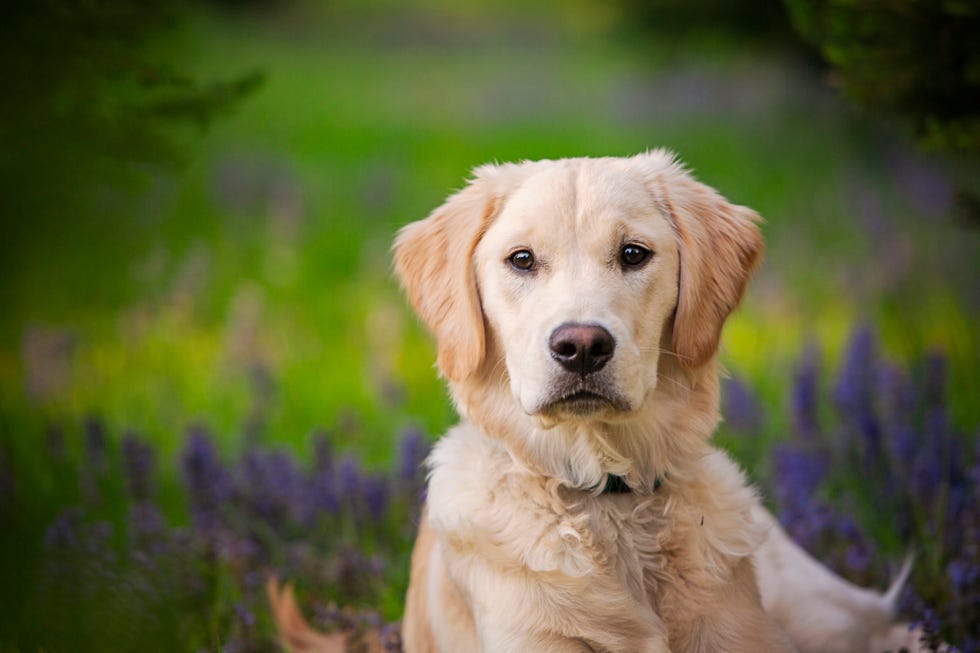
Many of the golden retriever’s physical characteristics are direct results of their development as hunting dogs. Their signature golden coat is not just beautiful—it’s practical, providing insulation and water resistance. Their strong, athletic build allows for agility and endurance, while their expressive eyes and soft mouth reflect their gentle approach to retrieving game.
Regular grooming is essential to maintain their coat and overall health. For guidance on keeping your retriever looking and feeling their best, see this comprehensive golden retriever grooming guide.
Legacy in Modern Roles and Activities
Although hunting is less common for many golden retrievers today, their background continues to influence their suitability for a wide range of activities. The breed excels in dog sports such as obedience, agility, and dock diving. Their keen sense of smell and strong retrieval instincts also make them valuable in search and rescue and detection work.
Golden retrievers’ adaptability and eagerness to work alongside humans have ensured their continued popularity in both working and companion roles. Their legacy as versatile, reliable dogs is a testament to the thoughtful breeding and training that shaped them.
If you’re curious about how their background affects their health and longevity, you may find this article on golden retriever lifespan comparisons helpful for understanding what to expect as your dog ages.
Frequently Asked Questions
Were golden retrievers originally bred only for hunting?
Golden retrievers were primarily developed as hunting companions, specifically for retrieving waterfowl and upland game. However, their intelligence and gentle temperament quickly made them popular as family pets and working dogs in other fields.
How does their hunting history affect their behavior today?
Their background as field dogs means golden retrievers are energetic, intelligent, and eager to please. They need regular exercise and mental stimulation to stay happy and healthy, and they often enjoy activities that mimic their original retrieving tasks.
Can golden retrievers still be used for hunting?
Yes, many golden retrievers continue to participate in hunting and field trials. Their natural instincts, trainability, and physical abilities make them excellent partners for hunters. Even if not used for hunting, these traits make them well-suited for various dog sports and service roles.