

Golden Retriever Beginner Guide: Everything You Should Know
Welcoming a Golden Retriever into your life is a rewarding experience, but it comes with important responsibilities. These friendly, intelligent dogs are one of the most popular breeds worldwide, known for their loyalty, gentle nature, and adaptability. If you're new to the breed, this golden retriever beginner guide covers the essentials to help you provide the best care and build a strong bond with your new companion.
From temperament and training to grooming and health, understanding what to expect will set you and your dog up for success. Whether you’re preparing for your first puppy or considering adopting an adult, this article will walk you through the key aspects of Golden Retriever ownership.
Before diving into the details, it's helpful to understand how these dogs learn and interact. For more on their learning process, check out how golden retrievers learn commands to get a head start on training and communication.
Understanding Golden Retriever Personality and Temperament
Golden Retrievers are celebrated for their friendly, patient, and eager-to-please personalities. They thrive on human interaction and are especially good with children, making them excellent family pets. Their intelligence and willingness to learn also make them suitable for therapy work and various canine sports.
However, their sociable nature means they dislike being left alone for long periods. Separation anxiety can develop if they’re isolated too often. Early socialization and consistent routines help prevent behavioral issues and ensure your dog feels secure.
Essential Puppy Preparation for New Owners
Bringing home a Golden Retriever puppy requires planning. Here’s what you’ll need to get started:
- Safe space: Prepare a comfortable bed or crate in a quiet area.
- Quality food: Choose a balanced puppy formula recommended by your veterinarian.
- Basic supplies: Bowls, collar, leash, ID tag, toys, and grooming tools.
- Veterinary care: Schedule a check-up and vaccinations as soon as possible.
- Puppy-proofing: Remove hazards such as electrical cords, toxic plants, and small objects.
Establishing routines for feeding, potty breaks, and playtime will help your puppy adjust quickly. For tips on housebreaking, see these golden retriever house training tips.
Training Basics for Golden Retriever Beginners
Early training is crucial for a well-behaved adult dog. Golden Retrievers are highly trainable thanks to their intelligence and desire to please. Start with basic commands like sit, stay, and come, using positive reinforcement such as treats and praise.
Consistency is key. Short, frequent sessions work best for puppies. Socialization—exposing your dog to different people, pets, and environments—will help them grow into a confident, adaptable adult. Remember, patience and encouragement go a long way with this breed.
For more insight into why these dogs are so attached to their humans, read about why golden retrievers follow their owners.

Grooming and Coat Care for Golden Retrievers
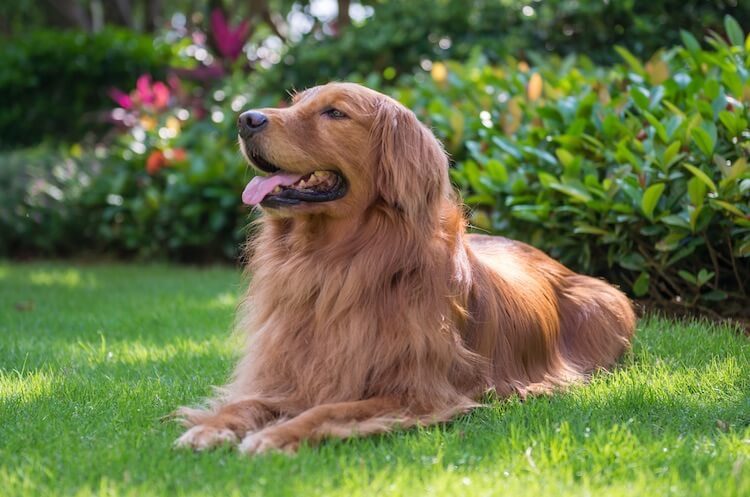
One of the breed’s most distinctive features is its beautiful, double-layered coat. Regular grooming is essential to keep your dog healthy and comfortable. Brush your Golden Retriever at least twice a week to remove loose hair and prevent matting. During shedding seasons (spring and fall), daily brushing may be necessary.
Bathing every 4–6 weeks is usually sufficient unless your dog gets especially dirty. Trim nails regularly, check ears for signs of infection, and brush teeth to maintain overall health. For a detailed grooming routine, visit this comprehensive Golden Retriever grooming guide.
Common Health Issues and Preventive Care
Golden Retrievers are generally healthy, but like all breeds, they’re prone to certain conditions. Common concerns include hip and elbow dysplasia, heart issues, allergies, and ear infections. Regular vet check-ups, a balanced diet, and daily exercise are vital for long-term health.
Keep an eye out for symptoms such as limping, excessive scratching, or changes in appetite. Ear care is especially important, as their floppy ears can trap moisture and lead to infections. Learn more about golden retriever ear infection signs to spot problems early.
Exercise and Mental Stimulation for a Happy Dog
Golden Retrievers are active dogs that need plenty of physical and mental stimulation. Daily walks, play sessions, and interactive toys will help prevent boredom and destructive behaviors. Many enjoy swimming, hiking, and retrieving games, which tap into their natural instincts.
Training sessions, puzzle feeders, and new experiences also keep their minds sharp. If you travel often, consider these golden retriever travel tips to ensure your dog stays comfortable and safe on the go.
Travel and Socialization Tips for New Owners
Early and ongoing socialization is crucial for a well-rounded Golden Retriever. Introduce your dog to a variety of people, animals, and environments from a young age. This helps prevent fearfulness and builds confidence.
When traveling, prepare by packing familiar items, keeping routines as consistent as possible, and ensuring your dog is secure in the car. Gradually exposing your dog to new experiences will make outings and trips more enjoyable for both of you.
Frequently Asked Questions
How much exercise does a Golden Retriever need?
Most adult Golden Retrievers require at least 1–2 hours of physical activity each day. Puppies need shorter, more frequent play sessions. Regular exercise helps maintain a healthy weight and prevents behavioral issues.
Are Golden Retrievers good with children and other pets?
Yes, this breed is known for its gentle and tolerant nature. They typically get along well with children and other animals when properly socialized. Always supervise interactions with young kids to ensure safety for both the child and the dog.
What should I feed my Golden Retriever?
Feed a high-quality, age-appropriate dog food recommended by your veterinarian. Puppies, adults, and seniors have different nutritional needs. Avoid overfeeding, as this breed is prone to obesity.
How often should I groom my Golden Retriever?
Brush your dog at least twice a week, and more often during shedding seasons. Bathe every 4–6 weeks or as needed. Regular ear, nail, and dental care are also important for overall health.
Conclusion
Caring for a Golden Retriever is a joyful journey filled with companionship and learning. By understanding their needs and characteristics, you’ll be well-prepared to provide a loving, healthy home. With the right approach to training, grooming, and health care, your Golden Retriever will be a loyal friend for years to come.