

German Shepherd Weather Tolerance - A Pet Owner's Guide
When it comes to adapting to different climates, the German Shepherd stands out as a remarkably resilient breed. Health-conscious pet owners often wonder about their furry friends' ability to withstand various weather conditions. Understanding how German Shepherds handle both hot and cold climates is crucial for ensuring their well-being and keeping them healthy throughout the year.
The German Shepherd weather tolerance is an essential aspect for pet owners to consider, especially those who live in regions with extreme weather conditions. This breed, known for its versatility and adaptability, requires specific care to thrive in different climates. By understanding their physical characteristics and behavior, pet owners can take proactive steps to ensure their German Shepherd's comfort and safety all year round.
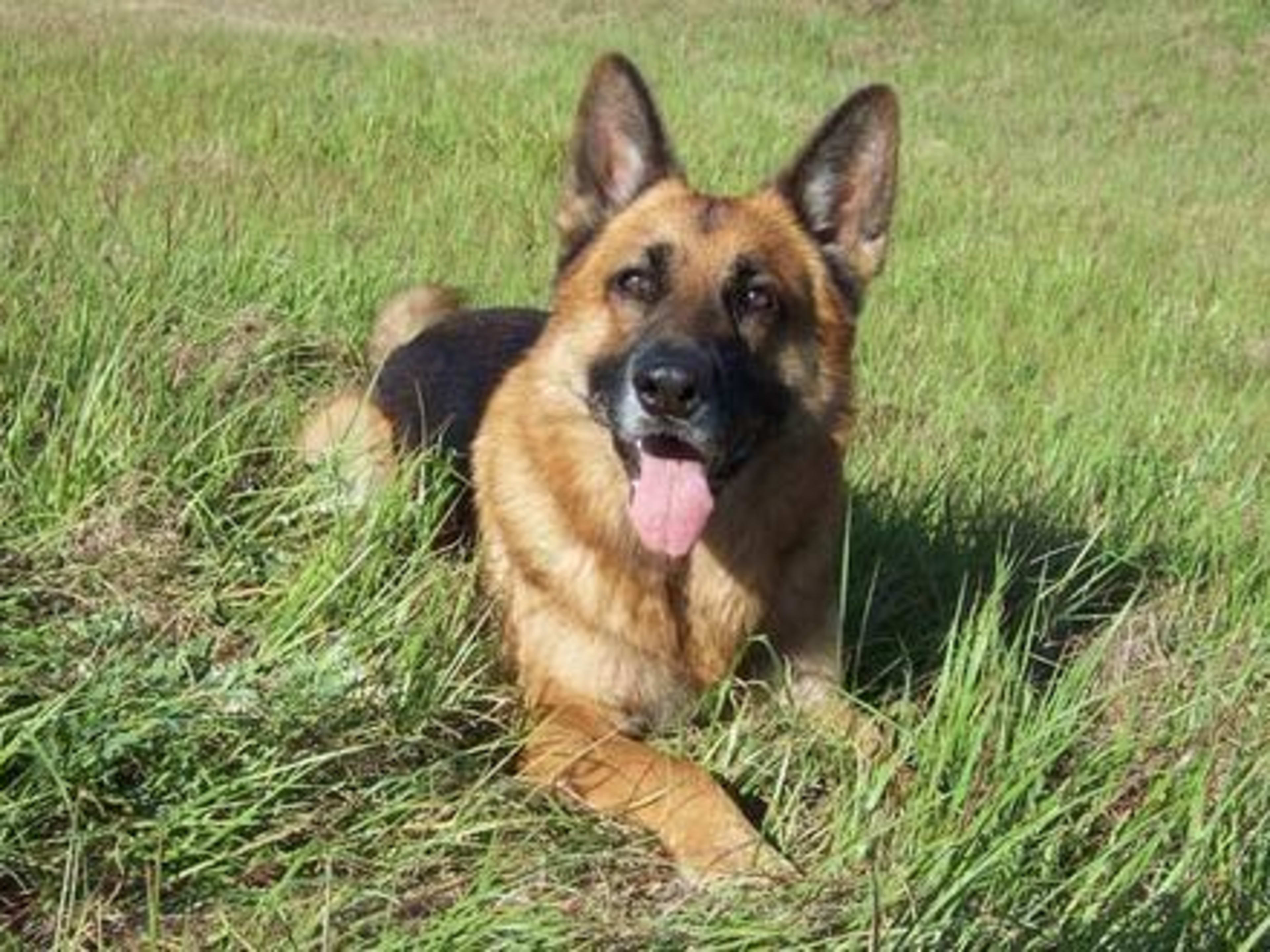
Physical Characteristics and Climate Adaptability
German Shepherds are known for their double coat, which plays a significant role in their ability to adapt to various weather conditions. The outer coat is dense and water-resistant, providing protection against rain and snow. Meanwhile, the undercoat acts as insulation, keeping them warm in cold weather and cool in the heat. However, despite these natural adaptations, German Shepherds still require proper care to prevent weather-related health issues.
Cold Weather Tolerance
German Shepherds are generally well-equipped to handle cold weather, thanks to their thick double coat. However, prolonged exposure to extremely low temperatures can still pose risks. It's important to provide adequate shelter, such as a warm and insulated doghouse, to protect them from harsh winter conditions. Regular grooming is also crucial to prevent matting and maintain their coat's insulating properties. For more tips on caring for your German Shepherd in cold weather, check out cold weather care.
Heat Tolerance and Safety
While German Shepherds have some resistance to heat due to their coat, they are not immune to heat-related illnesses. Pet owners should be vigilant during hot weather, ensuring their German Shepherd has access to plenty of fresh water and a shaded area to rest. Avoid exercising them during peak heat hours and always be on the lookout for signs of heatstroke, such as excessive panting or lethargy. Learn more about keeping your German Shepherd safe in hot weather by visiting heat safety tips.
Behavioral Adaptations
Beyond their physical attributes, German Shepherds also exhibit behavioral adaptations that help them cope with different weather conditions. In cold weather, they may seek out warm spots in your home or curl up tightly to conserve body heat. Conversely, in hot weather, they may avoid direct sunlight and prefer cooler surfaces to lay on. Observing these behaviors can provide valuable insights into their comfort levels and whether adjustments to their environment are needed.
Indoor vs. Outdoor Living
Whether a German Shepherd should live indoors or outdoors largely depends on the climate and individual dog's needs. While they can adapt to outdoor living, especially in mild climates, extreme weather conditions can pose challenges. During scorching summers or freezing winters, it's advisable to keep them indoors for their safety. This not only protects them from the elements but also strengthens the bond between the pet and their owner.
Common Health Concerns Related to Weather
German Shepherds are generally robust dogs, but extreme weather can exacerbate certain health issues. In cold weather, arthritis can become more pronounced, so maintaining a warm and comfortable environment is key. Meanwhile, hot weather can lead to dehydration and heatstroke, both of which require immediate attention. Regular veterinary check-ups and being attentive to your dog's behavior can help mitigate these risks.
Veterinary Guidance and Support
Consulting with a veterinarian about your German Shepherd's specific needs is always a wise decision. They can provide tailored advice based on your dog's health history and the local climate. Establishing a relationship with a vet who understands the breed can be invaluable in preventing and addressing weather-related health issues.
Additional Resources
For more comprehensive guides on German Shepherd care, be sure to visit Dogster's German Shepherd page. This resource offers extensive information on breed characteristics, health tips, and more.
FAQs
Q1: Can German Shepherds live in hot climates?
A: Yes, with proper care and precautions, German Shepherds can live in hot climates. Ensure they have access to shade, water, and avoid exercising them during peak heat.
Q2: How can I keep my German Shepherd warm in winter?
A: Provide a warm, insulated shelter, and consider using dog sweaters or coats during extremely cold days. Keep their coat well-groomed to maintain its insulating properties.
Q3: What signs indicate my German Shepherd is too cold or too hot?
A: Signs of being too cold include shivering, lethargy, and seeking warmth. Signs of overheating include excessive panting, drooling, and weakness. Immediate action is necessary in both cases.
Understanding and respecting your German Shepherd's weather tolerance is key to ensuring their health and happiness. By staying informed and attentive, you can provide a safe and comfortable environment for your furry companion in any weather.
This article contains affiliate links. We may earn a commission at no extra cost to you.