

German Shepherd Training Tips for Health-Conscious Pet Owners
German Shepherds are one of the most intelligent and versatile dog breeds, known for their loyalty and strong work ethic. As a health-conscious pet owner, it's essential to ensure that your German Shepherd receives not only the physical exercise they need but also the mental stimulation that keeps them healthy and happy. In this article, we'll delve into some essential German Shepherd training tips that can help you raise a well-behaved and well-adjusted companion.
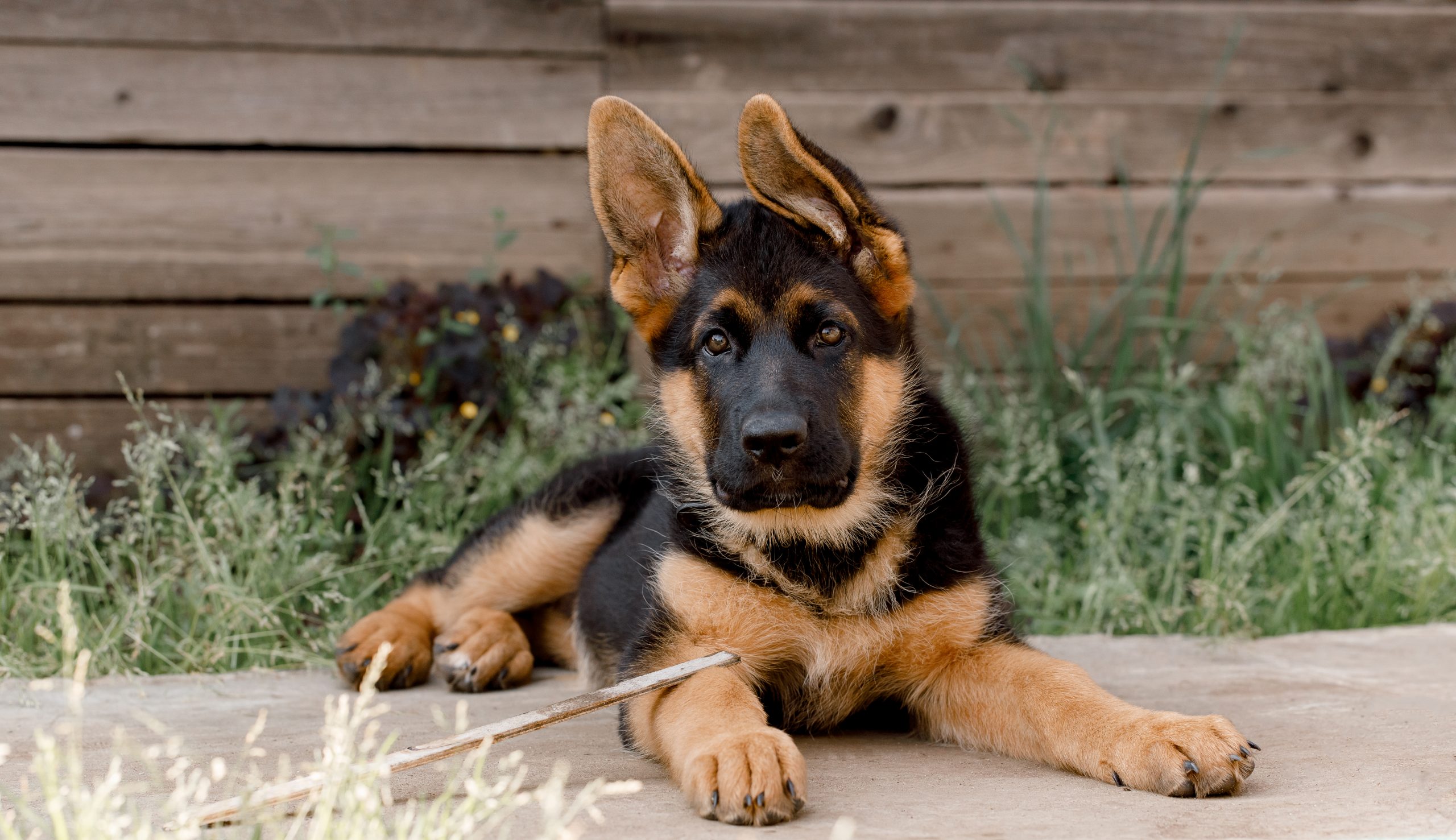
Understanding the German Shepherd's Unique Needs
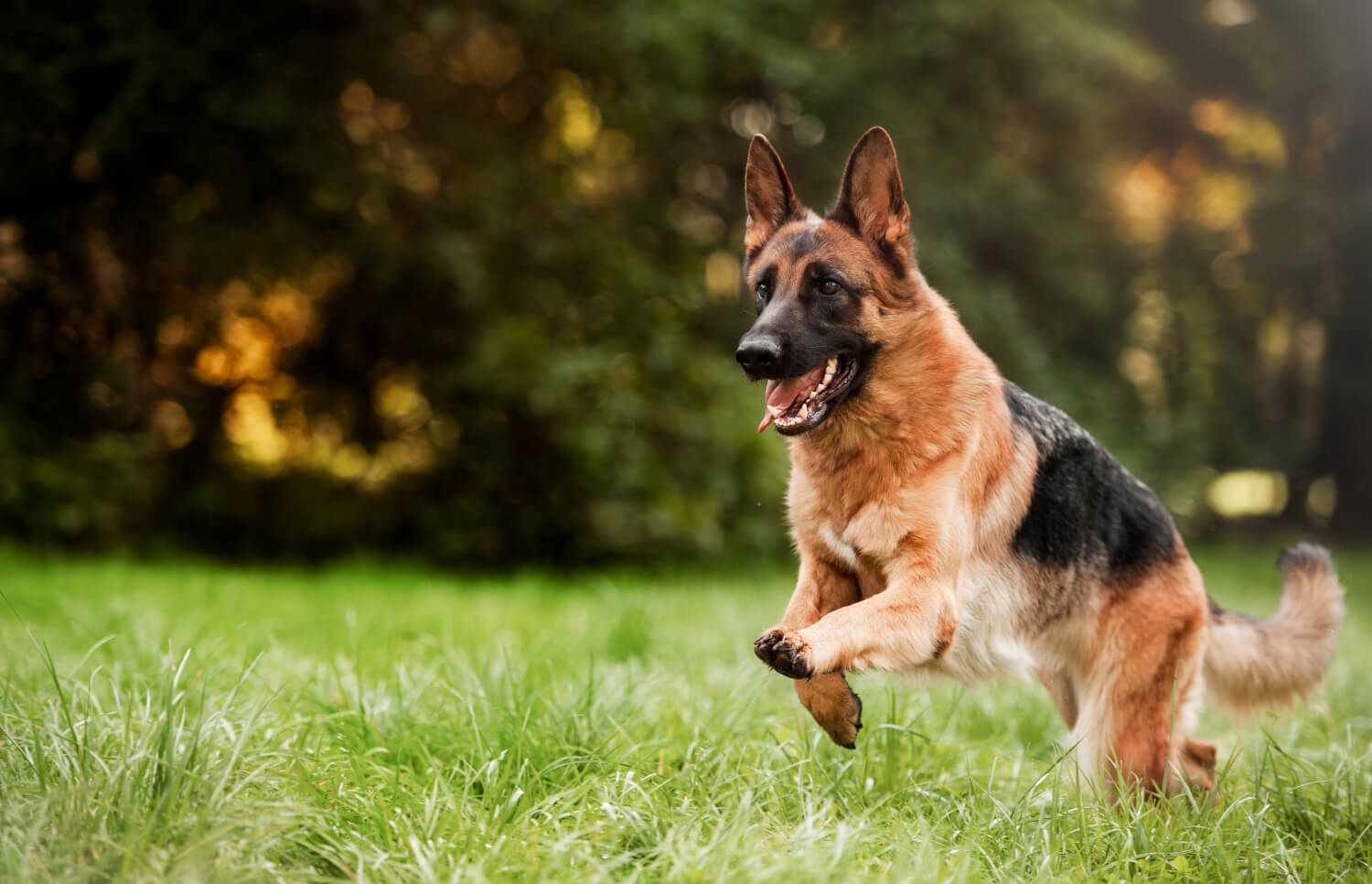
Before diving into the training tips, it's crucial to understand the unique needs of German Shepherds. As highly active and intelligent dogs, they require a significant amount of physical and mental stimulation. Regular exercise, such as daily walks or runs, is essential for maintaining their physical health. Additionally, providing them with mental challenges, like puzzle toys or advanced obedience training, can keep their minds sharp.
One interesting aspect of German Shepherds is their strong protective instincts. While this trait makes them excellent guard dogs, it also means that they need proper socialization from a young age. According to the Dogster, early exposure to different people, animals, and environments can help your German Shepherd develop into a well-rounded and confident adult dog.
Basic Obedience Training
Basic obedience training is the foundation of a well-behaved German Shepherd. Start with simple commands like sit, stay, and come. Consistency is key when teaching these commands. Use positive reinforcement techniques, such as treats or praise, to reward your dog for following commands correctly. Remember, patience is vital, as it may take some time for your German Shepherd to master these skills.
To further enhance your training, consider enrolling your dog in a professional obedience class. These classes offer structured environments where your dog can learn alongside other dogs, providing valuable socialization opportunities. For more insights on obedience training, check out this German Shepherd obedience guide.
Advanced Training Techniques
Once your German Shepherd has mastered basic obedience commands, you can move on to more advanced training techniques. Teaching your dog tricks, such as rolling over or playing dead, can be both fun and mentally stimulating. Additionally, advanced training can include agility courses, which are excellent for physical exercise and mental challenges.
Another advanced training option is scent work. German Shepherds have an incredible sense of smell, and you can harness this ability by teaching them to search for specific scents. This type of training not only provides mental stimulation but also strengthens the bond between you and your dog.
Leash Training and Socialization
Leash training is an essential skill for any dog, especially for German Shepherds, given their size and strength. Start by introducing your dog to a leash and collar or harness. Allow them to get comfortable with wearing it around the house before venturing outside. Gradually increase the duration and distance of your walks, rewarding your dog for walking calmly by your side.
Socialization is equally important. Expose your German Shepherd to various environments, people, and animals to help them become well-adjusted adults. You can learn more about leash training techniques in this leash training guide.
Nutrition and Health Considerations
A health-conscious pet owner understands the importance of proper nutrition and regular veterinary check-ups. A balanced diet is crucial for maintaining your German Shepherd's overall health and energy levels. Consult with your veterinarian to determine the best diet plan for your dog, taking into account their age, weight, and activity level.
Regular veterinary check-ups are also essential for monitoring your dog's health and catching any potential issues early. Vaccinations, parasite prevention, and dental care are all important aspects of maintaining your dog's well-being.
Common Mistakes to Avoid
While training your German Shepherd, there are some common mistakes to avoid. One of the most significant errors is using punishment-based training methods. These methods can lead to fear and anxiety, negatively impacting your dog's behavior and overall well-being. Instead, focus on positive reinforcement and reward-based training techniques.
Another mistake is inconsistency. Ensure that all family members use the same commands and training techniques to avoid confusing your dog. Consistency helps reinforce the desired behaviors and speeds up the training process.
Conclusion
Training a German Shepherd can be a rewarding experience for health-conscious pet owners. By understanding their unique needs, providing proper exercise and mental stimulation, and using positive reinforcement techniques, you can raise a well-behaved and healthy German Shepherd. Remember, patience and consistency are key to successful training.
FAQs
1. What makes German Shepherds unique?
German Shepherds are known for their intelligence, loyalty, and versatility. They excel in various roles, including working dogs, service animals, and family pets. Their strong protective instincts make them excellent guard dogs, but they require proper socialization and training to prevent aggressive behavior.
2. How can I keep my German Shepherd mentally stimulated?
Mental stimulation is crucial for German Shepherds. You can keep them engaged with puzzle toys, advanced obedience training, agility courses, or scent work. Regular playtime and interactive games also provide mental challenges.
3. What is the best way to socialize a German Shepherd?
Early socialization is essential for German Shepherds. Expose them to various environments, people, and animals from a young age. Professional training classes can also provide structured socialization opportunities in a controlled environment.
For more information on German Shepherds, you can visit the Wikipedia page.
This article contains affiliate links. We may earn a commission at no extra cost to you.