

Dog Barking at Children: Understanding This Behavior
Barking is a natural behavior for dogs, a form of communication that tells us something about what they're experiencing. However, when it comes to your dog barking at children, it can raise concerns, especially if you're a health-conscious pet owner aiming to create a harmonious environment for both kids and pets. In this article, we delve into the reasons behind this behavior and provide actionable insights to help you address and manage it effectively.

Why Do Dogs Bark at Children?
Understanding why dogs bark at children is the first step to managing the behavior. There are several reasons why this might occur. First, dogs might find the erratic movements and high-pitched noises of children stimulating or stressful. Secondly, they might be acting out due to excitement or fear. Additionally, some dogs have had negative experiences with children in the past, causing them to be wary of kids.
Understanding the root cause of the barking is crucial for addressing it. As a health-conscious pet owner, your goal should be to ensure that your pet feels secure and that their environment is as stress-free as possible. For further insights, you can read about how dogs react to barking at mirrors.
How to Manage Barking
Effective management of barking involves both prevention and training. Here are some techniques you can employ:
Positive Reinforcement
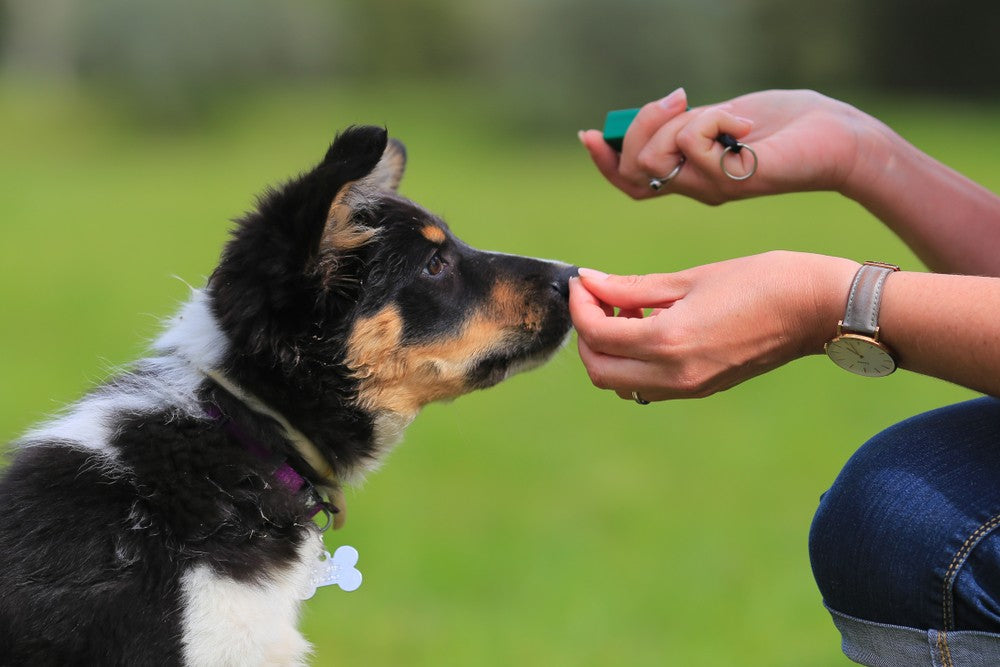
Reward your dog when it behaves calmly around children. This teaches them that calm behavior leads to positive outcomes. You can explore training tips for more detailed guidance on positive reinforcement.
Desensitization and Counter-conditioning
This involves exposing your dog to children at a controlled level that doesn't elicit a barking response and gradually increasing exposure as they become more comfortable.
Calm Environment
Ensure your home is a calm place, free from stressors for your dog. This includes safe spaces where they can retreat when feeling overwhelmed.
Potential Health Implications
It's crucial for health-conscious pet owners to note that excessive barking might indicate stress or anxiety. Such stress can have adverse health effects on your dog in the long-term, including increased cortisol levels and potential behavioral issues. Understanding and addressing barking behavior is not just about creating a quieter home but ensuring the well-being of your furry friend.
For dog-related behavioral insights and health-related topics, check out how dogs react to neighborhood stimuli.
When to Seek Professional Help
If your dog's barking at children is severe and persistent despite your best efforts, it may be time to consult a professional dog trainer or a behavioral consultant. They can provide tailored strategies to help manage your dog's behavior.
FAQs
Why does my dog only bark at certain children?
This could be due to the unfamiliarity with particular children or specific triggers such as a childs behavior, energy, and even past experiences with kids of similar characteristics.
Can diet affect my dog's barking behavior?
While diet primarily affects physical health, reducing anxiety through a balanced diet can impact behavior positively. Foods with calming compounds might aid in reducing anxiety-driven barking.
What if the barking continues even with training?
If barking continues after consistent training, consider seeking advice from a veterinary behaviorist. They can rule out any potential underlying health issues that might be contributing to this behavior.
This article contains affiliate links. We may earn a commission at no extra cost to you.