

Collars for Dogs Prone to Allergies: What You Need to Know
For health-conscious pet owners, ensuring the well-being of their furry friends is paramount. One often overlooked aspect of pet care is selecting the right collar for dogs prone to allergies. Many dog owners might not be aware that the wrong collar can exacerbate allergies, leading to discomfort and health issues for their pets.
The market offers a plethora of options, but not all collars are suitable for every dog, especially those with sensitive skin or allergies. It's crucial to understand the materials and types of collars that are best suited for these dogs to ensure their comfort and health. In this article, we will delve into the nuances of selecting the best collars for dogs prone to allergies.
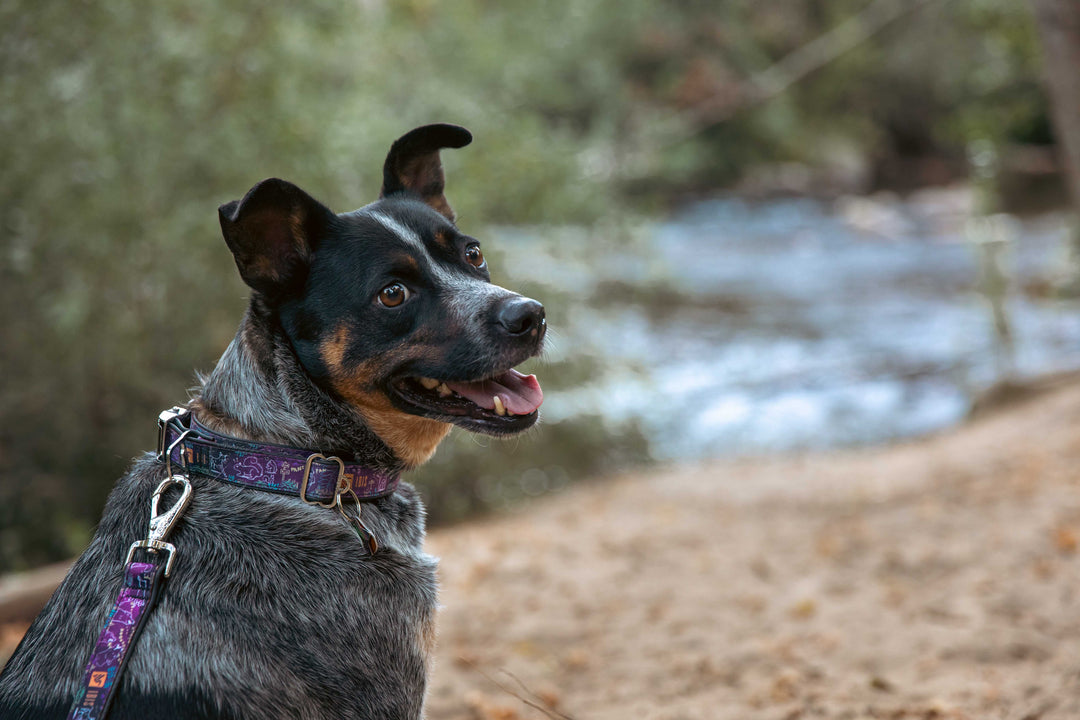
Identifying Allergy Triggers in Dog Collars
Before choosing a collar, it's essential to identify what might be triggering your dog's allergies. Common allergens in dog collars include certain metals, synthetic materials, and dyes. Dogs with sensitive skin may react to these materials, resulting in itching, redness, and even hair loss.
Natural materials such as hemp, cotton, or leather are often recommended for dogs with allergies. These materials are less likely to cause skin irritation and are generally more breathable, allowing for better air circulation around your dog's neck. For more about choosing materials, you might find our article on puppy collars insightful.
Types of Allergy-Friendly Dog Collars
There are several types of collars designed specifically for dogs with allergies. Some of the most popular options include:
Leather Collars
Leather is a natural material that is less likely to irritate the skin compared to synthetic options. It is durable and tends to soften over time, providing a comfortable fit. However, it's important to choose high-quality, untreated leather to avoid any chemical irritants.
Hemp Collars
Hemp is an eco-friendly material that is both strong and soft. Hemp collars are a great alternative for dogs with sensitive skin as they are naturally hypoallergenic and resistant to mold and mildew.
Cotton Collars
Cotton is another natural material that is gentle on the skin. Cotton collars are lightweight and breathable, making them a comfortable choice for dogs with allergies. These collars can also be easily washed, which helps in maintaining hygiene and reducing allergens.
For more insights into the pros and cons of different types of collars, check our detailed comparison in collar vs. harness.
Maintaining Your Dog's Collar
Even with the right collar, proper maintenance is key to preventing allergic reactions. Regular cleaning of your dog's collar is essential to remove dirt, sweat, and allergens. Depending on the material, you may need to hand wash or machine wash the collar. Always follow the manufacturer's instructions to ensure longevity and effectiveness.
In addition to cleaning, routinely check the collar for signs of wear and tear. A damaged collar can cause friction and irritation, which may lead to allergic reactions. Replace the collar as needed to ensure your dog's comfort and safety.
Consulting with Your Veterinarian
If your dog continues to show signs of allergies despite changing collars, it's important to consult with your veterinarian. They can help identify specific allergens and recommend additional solutions or treatments. A vet's guidance is invaluable in ensuring the health and happiness of your pet.
For more on common pet care mistakes that could affect your dog, you might find this article helpful.
Frequently Asked Questions
What materials should I avoid in dog collars?
Avoid collars made from synthetic materials like nylon or those that have metal components, as they can cause irritation and allergic reactions in some dogs.
How often should I clean my dog's collar?
It's recommended to clean your dog's collar at least once a week, or more frequently if your dog has been playing outdoors or has sensitive skin.
Can allergies develop over time?
Yes, dogs can develop allergies over time due to prolonged exposure to certain materials or environmental factors. It's important to monitor your dog's skin condition regularly.
In conclusion, selecting the right collar for dogs prone to allergies is an essential part of pet care. By understanding the materials and maintenance required, you can ensure your dog's comfort and health. For more tips on maintaining your dog's well-being, explore our training tips page.
This article contains affiliate links. We may earn a commission at no extra cost to you.