

A Complete History of the Golden Retriever Breed
The story of the golden retriever history is one of careful breeding, practical purpose, and enduring popularity. Known for their intelligence, friendly nature, and striking golden coats, these dogs have become a favorite in homes and hearts around the world. But how did this beloved breed come to be, and what makes its origins so unique?
Tracing the roots of these loyal companions reveals a fascinating journey from the Scottish Highlands to modern-day families. Whether you’re a devoted golden owner or simply curious about the breed’s background, understanding their development offers insight into why they continue to stand out among dog breeds.
For those interested in learning more about the breed’s characteristics and evolution, the Wikipedia page on golden retrievers provides a thorough overview of their development and recognition.
The Origins: Tracing the Roots of the Golden Retriever
The beginnings of the golden retriever history can be traced back to 19th-century Scotland. During this period, hunting was a popular pastime among the Scottish elite, and there was a demand for a dog that could retrieve game from both water and land. The ideal dog needed to be strong, obedient, and gentle-mouthed to avoid damaging the quarry.
Sir Dudley Marjoribanks, later known as Lord Tweedmouth, is credited with developing the breed. Between 1868 and 1871, he began crossing a yellow-colored retriever named Nous with a Tweed Water Spaniel called Belle. The Tweed Water Spaniel, now extinct, was known for its intelligence and swimming ability, making it a perfect match for the retriever’s desired traits.
Over the next several decades, further crosses were made with Bloodhounds, Irish Setters, and more Tweed Water Spaniels. The result was a dog with a dense, water-resistant coat, a keen sense of smell, and a gentle, eager-to-please temperament.
Recognition and Early Popularity
The breed’s reputation grew steadily in the late 1800s and early 1900s. Initially, these dogs were known as “Golden Flat-Coats” due to their resemblance to the Flat-Coated Retriever. Their official recognition as a distinct breed came in 1911 by The Kennel Club in England, under the name “Retriever – Yellow or Golden.”
The breed’s popularity soon spread beyond Scotland and England. By the 1920s, golden retrievers had made their way to North America, where they quickly gained a following for their versatility and friendly demeanor. The American Kennel Club (AKC) officially recognized the breed in 1925, cementing its place in canine history.
For a deeper dive into the breed’s journey and milestones, the AKC’s detailed history of golden retrievers offers valuable insights and timelines.
Breed Development and Distinctive Traits
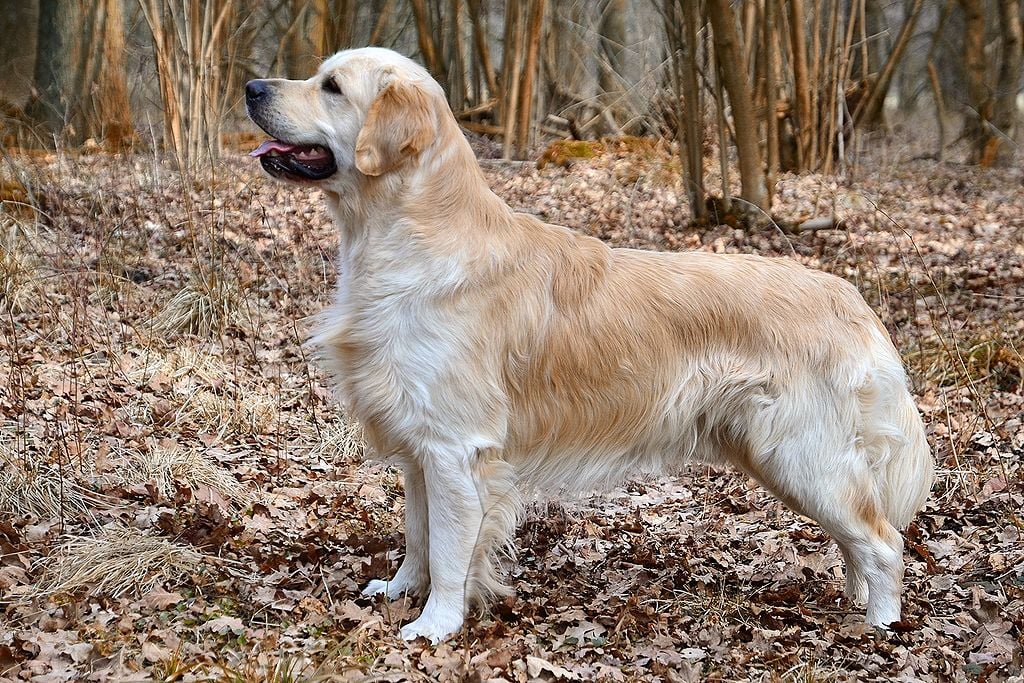
As the breed developed, certain characteristics became hallmarks of golden retrievers. Their thick, water-repellent coats, expressive eyes, and athletic build made them stand out. But it wasn’t just their appearance that set them apart—their temperament played a major role in their enduring appeal.
- Intelligence: Golden retrievers are known for their trainability and eagerness to learn, making them excellent working dogs and companions.
- Gentle Nature: Their friendly and tolerant attitude makes them ideal family pets and therapy dogs.
- Versatility: Originally bred for retrieving game, they now excel in a variety of roles, including service work, search and rescue, and competitive dog sports.
The breed’s adaptability and good-natured personality have helped it remain one of the most popular dog breeds worldwide.

Golden Retrievers Around the World
As golden retrievers spread globally, regional variations began to emerge. Today, there are three main types recognized by enthusiasts: British (or English), American, and Canadian. While all share the same foundational traits, subtle differences in appearance and build can be seen between these lines.
- British Type: Typically stockier with a broader skull and lighter coat color.
- American Type: Slightly taller and leaner, with a darker golden hue.
- Canadian Type: Generally taller and less stocky, with a thinner coat.
Despite these distinctions, the core qualities of intelligence, friendliness, and loyalty remain consistent across all variations. Their adaptability to different climates and lifestyles has only increased their appeal worldwide.
Modern Roles and Enduring Legacy
Today, golden retrievers are celebrated not just as pets, but as working dogs in a variety of fields. Their keen sense of smell and gentle disposition make them ideal for search and rescue missions, therapy work, and as guide dogs for the visually impaired. Their athleticism also shines in agility, obedience, and field trials.
The breed’s legacy is evident in its continued popularity. According to kennel club rankings, golden retrievers consistently rank among the top dog breeds in the United States, United Kingdom, and many other countries. Their story is a testament to thoughtful breeding and the enduring bond between humans and dogs.
Frequently Asked Questions
What breeds were used to develop the golden retriever?
The original breeding involved a yellow retriever (Nous) and a Tweed Water Spaniel (Belle). Later, Bloodhounds, Irish Setters, and additional Tweed Water Spaniels contributed to the breed’s development, resulting in the golden retriever’s signature traits.
How did golden retrievers become so popular?
Their intelligence, gentle temperament, and versatility made them ideal for families, hunters, and working roles. As their reputation grew in the UK and North America, their popularity soared, and they became a favorite for both companionship and service work.
Are there different types of golden retrievers?
Yes, there are three main types: British (English), American, and Canadian. Each has slight differences in build and coat color, but all share the breed’s hallmark friendliness and intelligence.
Where can I learn more about the breed’s history?
For a comprehensive overview, consult the Wikipedia entry on golden retrievers or the AKC’s historical guide.